
Carp For The City
CarpSlam turns an overlooked fish and an urban river into a surprisingly effective conservation engine.
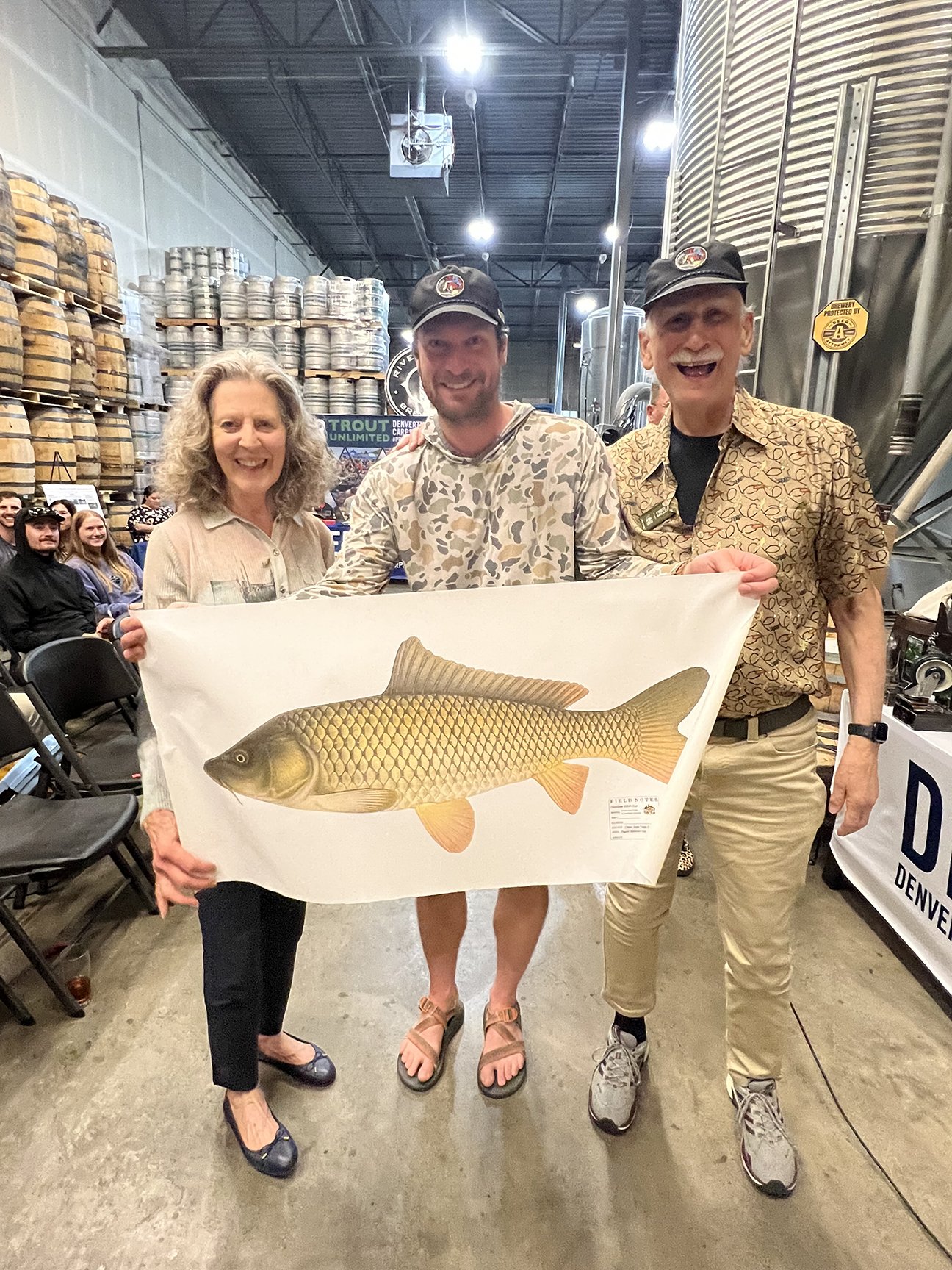
Carp are not particularly good at behaving like aspirational fly-fishing fish. They live in warm water, feed in places that may include shopping carts and concrete, and rarely arrive with a mountain range conveniently positioned behind them. Denver’s CarpSlam has spent twenty years making that the attraction.
The twentieth edition of the South Platte Pro/Am took place on September 19, sending anglers onto the river that runs directly through Denver. Rather than separating competition from conservation, the event makes fundraising part of entry itself. Amateur participants — “Slamateurs” — raise money for the Denver South Platte, with leading fundraisers earning places in the field before being paired with experienced “Slambassadors” for the tournament.
This year the event raised more than $111,000, the largest total in CarpSlam history. Denver Trout Unlimited says the money supports restoration and protection of the South Platte. Colorado Trout Unlimited reports that support will help fund river cleanups, pollution protection and restoration work, including $10,000 for the Denver South Platte River Cleanup Series through 2027. Volunteers have already removed around 16,000 pounds of trash and litter from the river in 2026. The tournament itself ended with Nic Hall and Ryan Poquette in first place, followed by Natasha Blayney and Aaron Myler, then Brittany Nickolas and Jackie Myler.
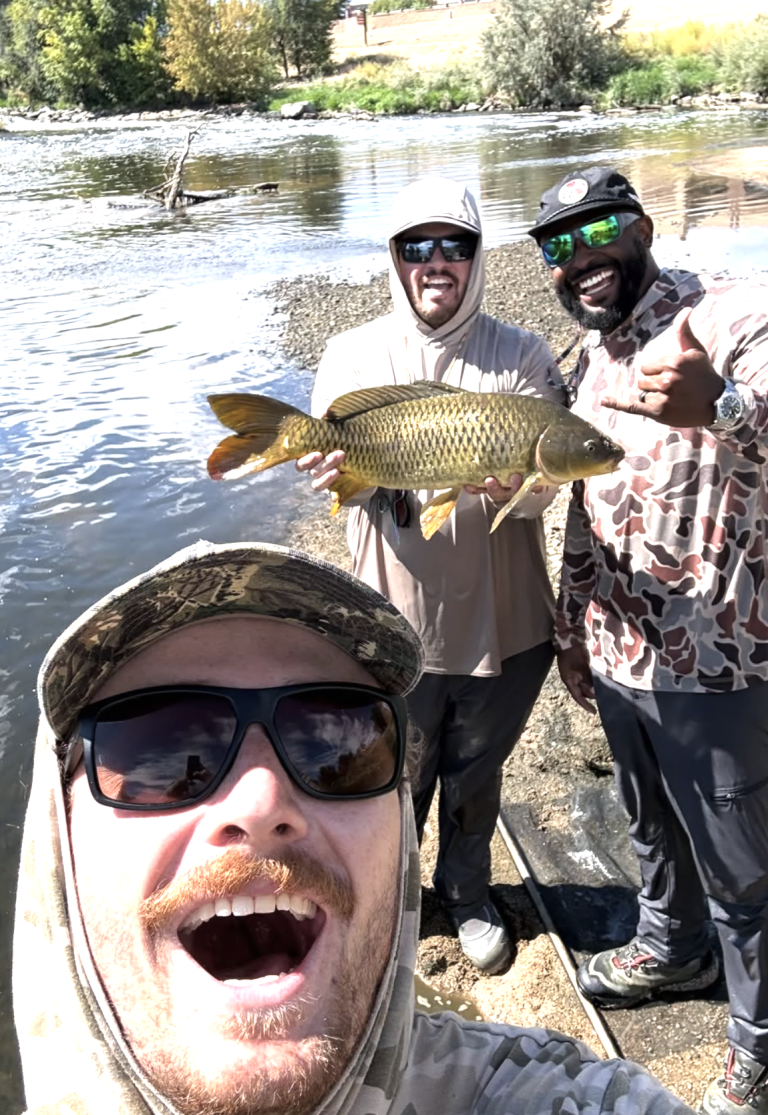
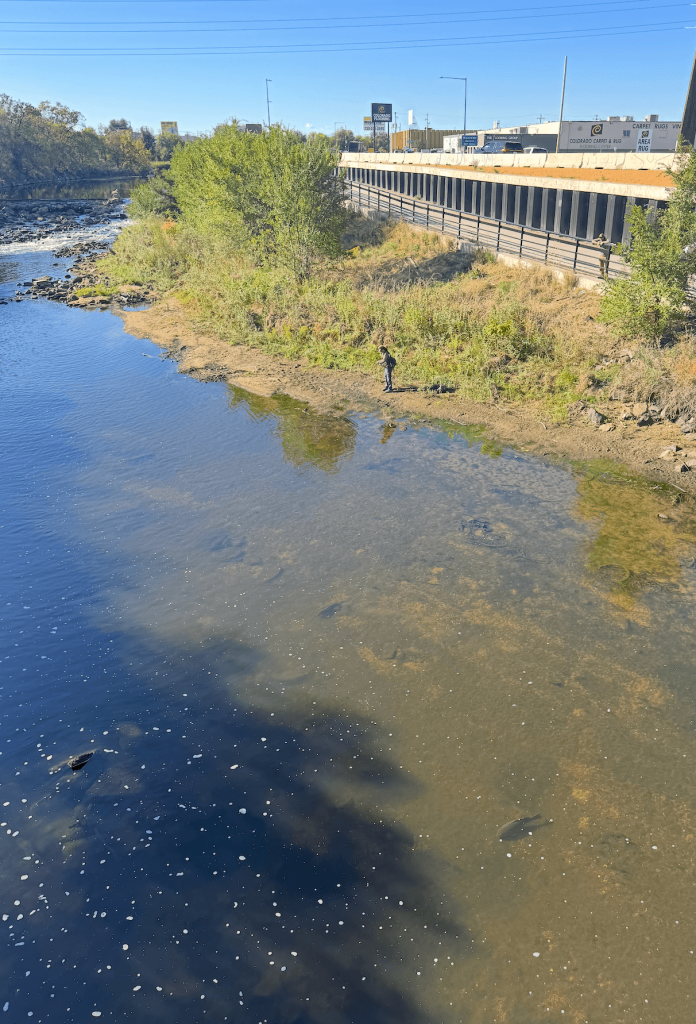
But the more interesting result is what happens after the scores disappear. Fly fishing has spent decades selling distance from ordinary life. The ideal river is usually somewhere else: cleaner, quieter, colder and preferably reached after a long drive. CarpSlam suggests the opposite. What if the water worth caring about is the river under the overpass? What if the fish capable of building a conservation community is the one many anglers were taught to ignore? An urban river carries all the evidence of the place around it. Bridges remain in the photograph. Bike paths follow the bank. Buildings appear behind the cast. The water does not need to look untouched for people to become attached to it.
The geography reinforces the point. Parts of the competition can be watched from public bike paths and bridges through the city. This is not a hidden destination fishery. The river is part of Denver’s everyday infrastructure, and CarpSlam treats that visibility as an asset.
Sometimes conservation begins by making the overlooked difficult to ignore.