What Happened to the Bugs?
The Salmonfly Project is turning anglers into citizen scientists to understand what is happening beneath the surface of the Upper Snake.
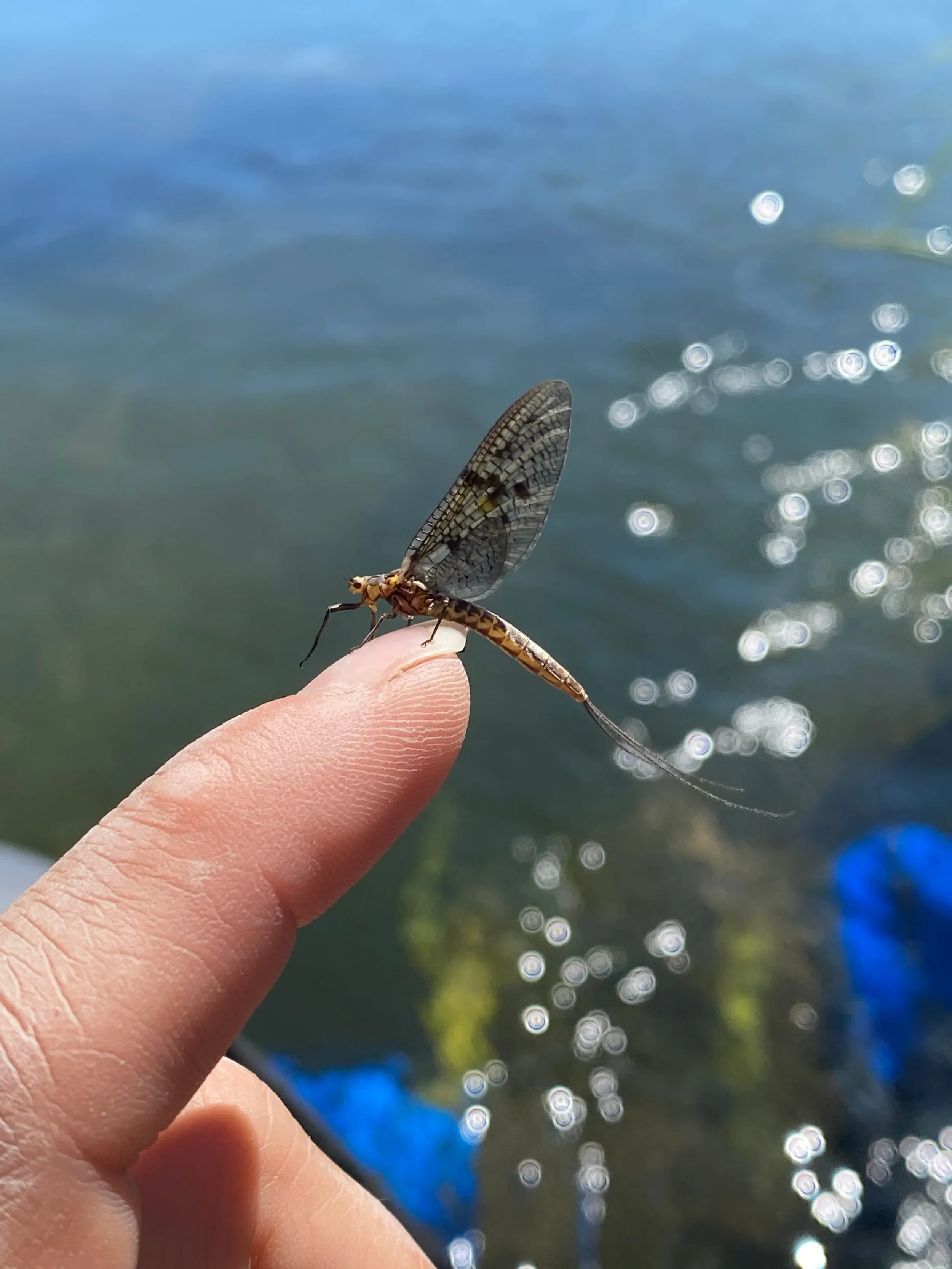
For a fly fisher, insects are usually approached with a fairly selfish question. What are the fish eating? Stonefly. Caddis. Mayfly. Size sixteen. Olive body. Somewhere just below the surface. But there is another question hiding underneath it. Are the insects still there? That question sits at the centre of The Salmonfly Project, an organisation built around studying and conserving the aquatic insects that support trout fisheries across the American West. The project began after its founders started documenting declines in giant salmonflies. The concern quickly expanded beyond one species. Mayflies, stoneflies and caddisflies form the foundation of freshwater food webs, feeding trout, birds and other wildlife. When those populations change, something larger is happening to the river.
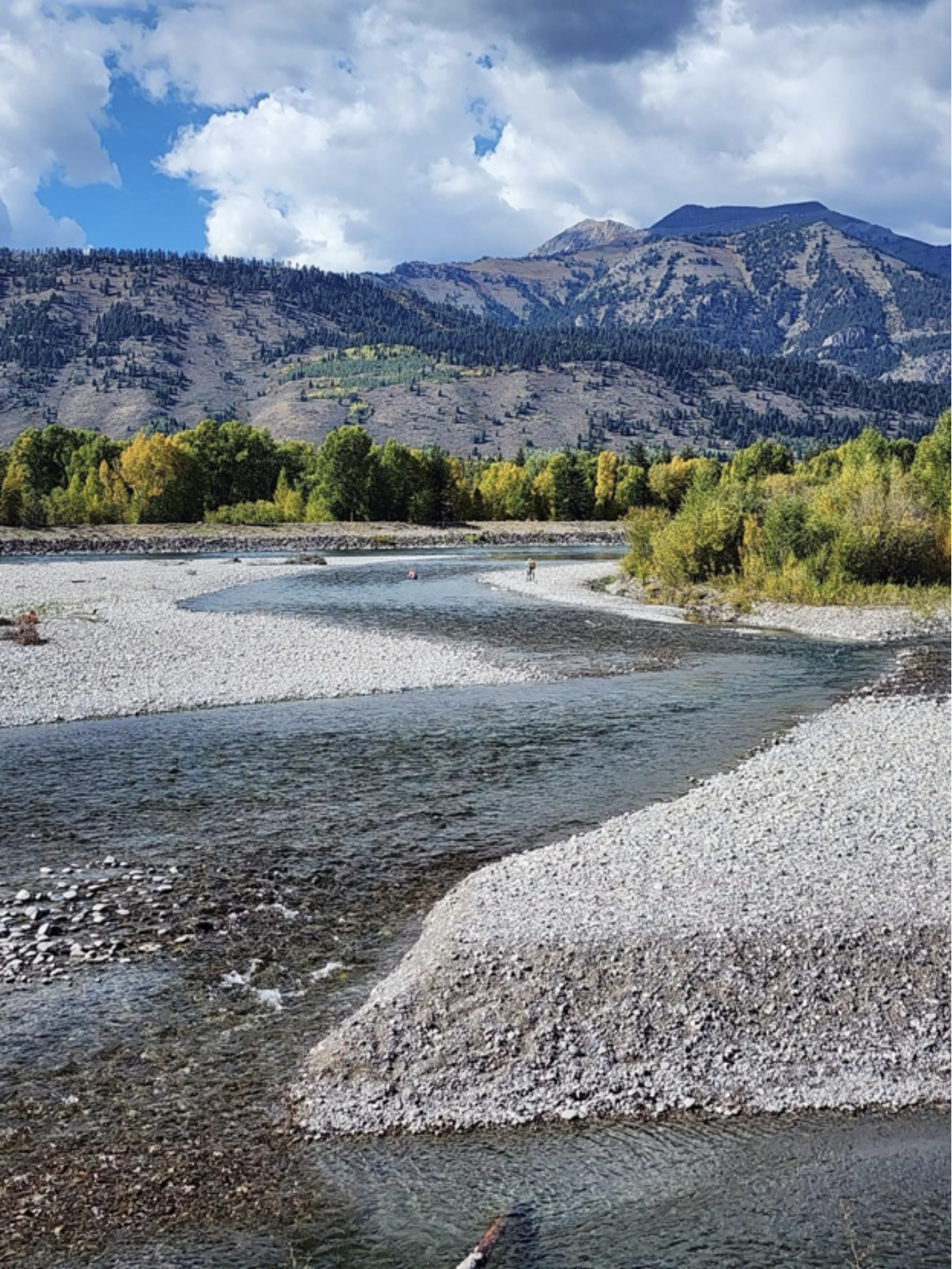
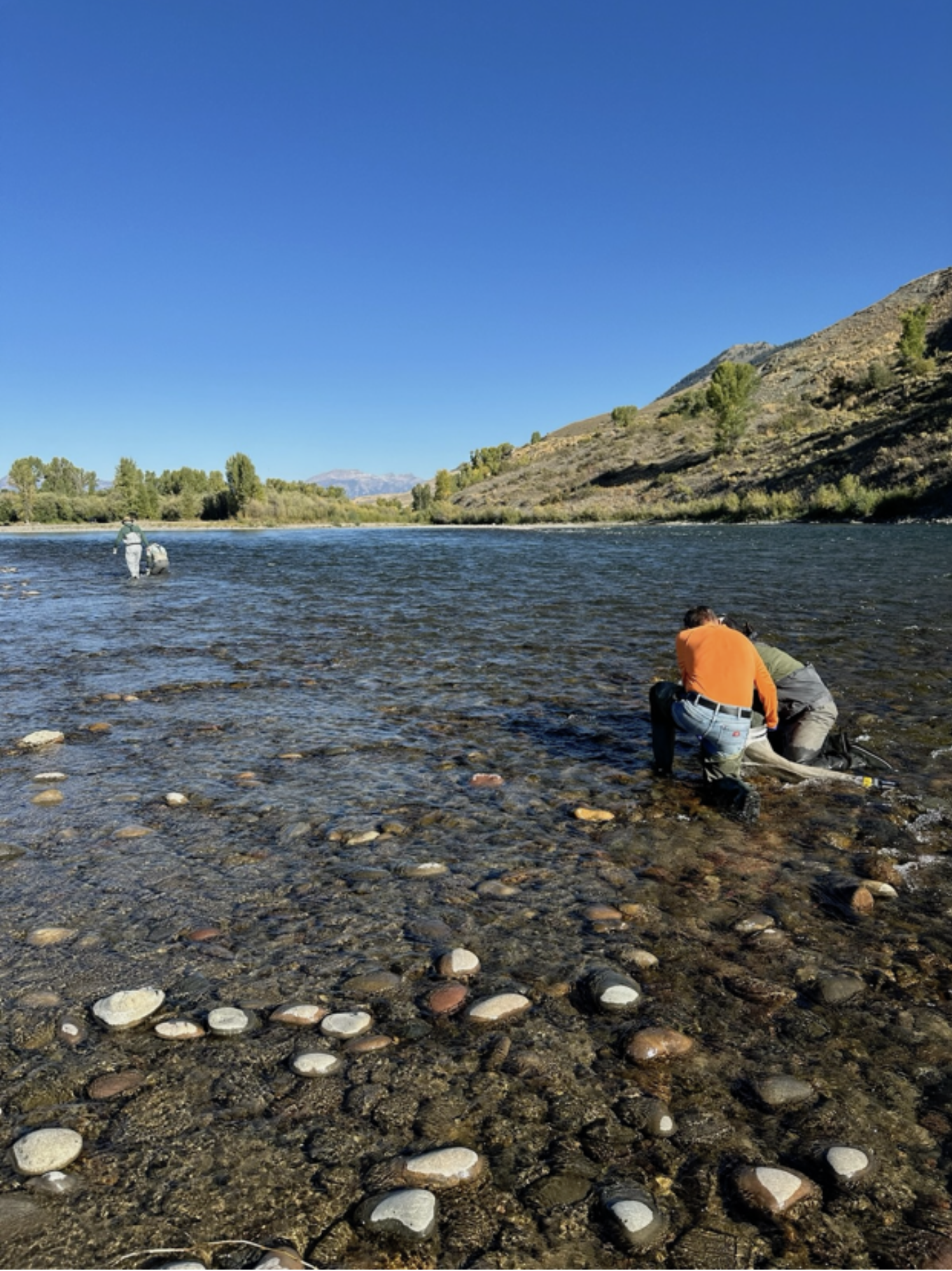
This week, The Salmonfly Project returns to the Upper Snake River in Wyoming for its fourth season of aquatic-insect monitoring.From September 21–25, researchers and volunteers will survey seven locations stretching from above Jackson Lake downstream toward Palisades Reservoir. The ambition is deceptively simple: establish a reliable picture of what lives beneath the water now, then keep returning long enough to understand how that picture changes. That baseline matters because surprisingly little historical insect data exists for many celebrated trout rivers.
The Salmonfly Project's earlier work on the Upper Snake points to the problem. Anglers have reported changes in both the timing and strength of insect hatches, while the project's research notes historical accounts of giant salmonflies once being abundant around the upper river near Moose but subsequently disappearing from that stretch. It is the kind of observation anglers make constantly. There used to be more bugs here. The hatch used to happen later. We haven't seen those in years. Individually, those memories are difficult to turn into science. Collect enough observations, repeat them systematically and combine them with measurements of water temperature, flows, fine sediment and water quality, however, and they begin to form something considerably more useful. That is where the project becomes particularly interesting.
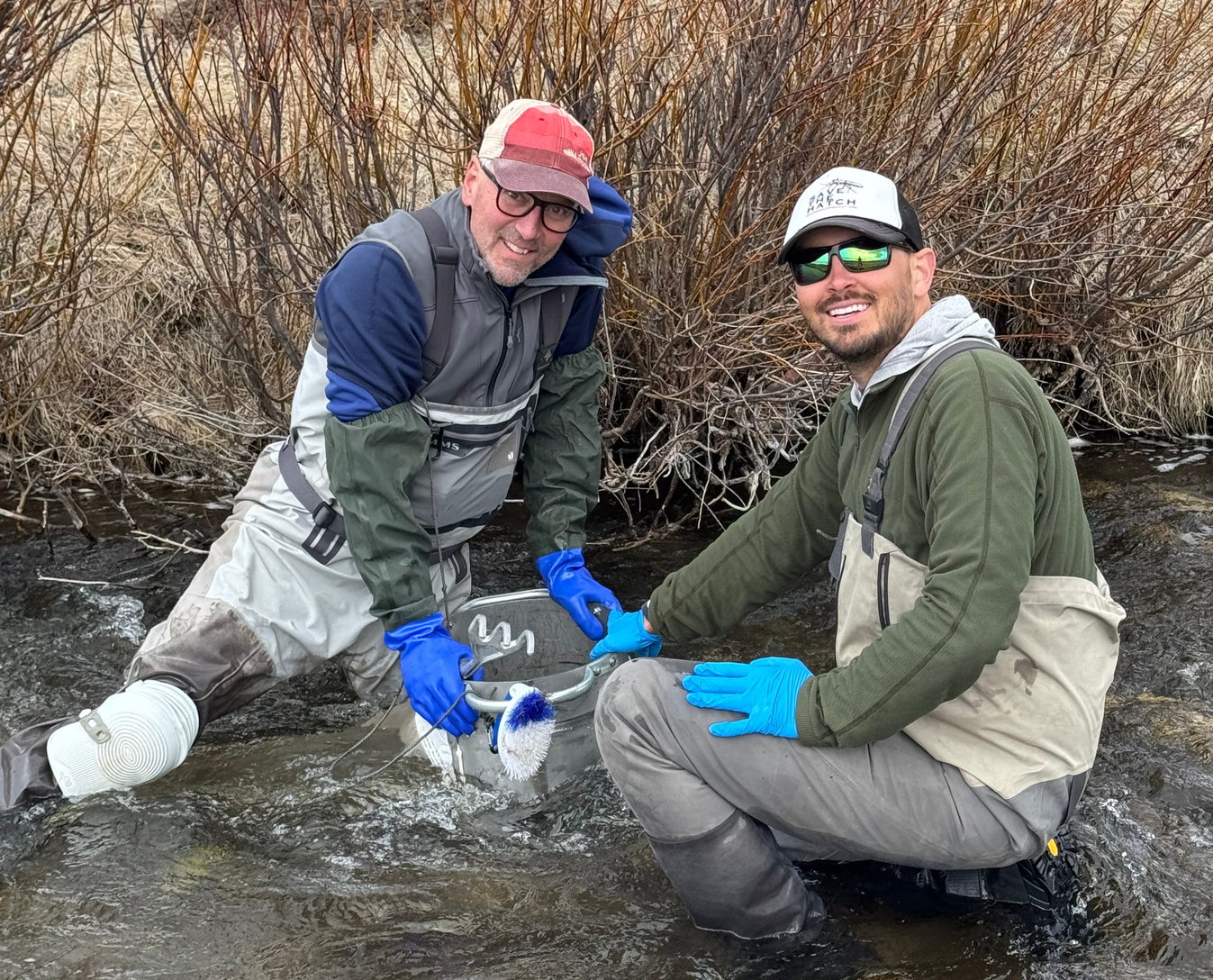
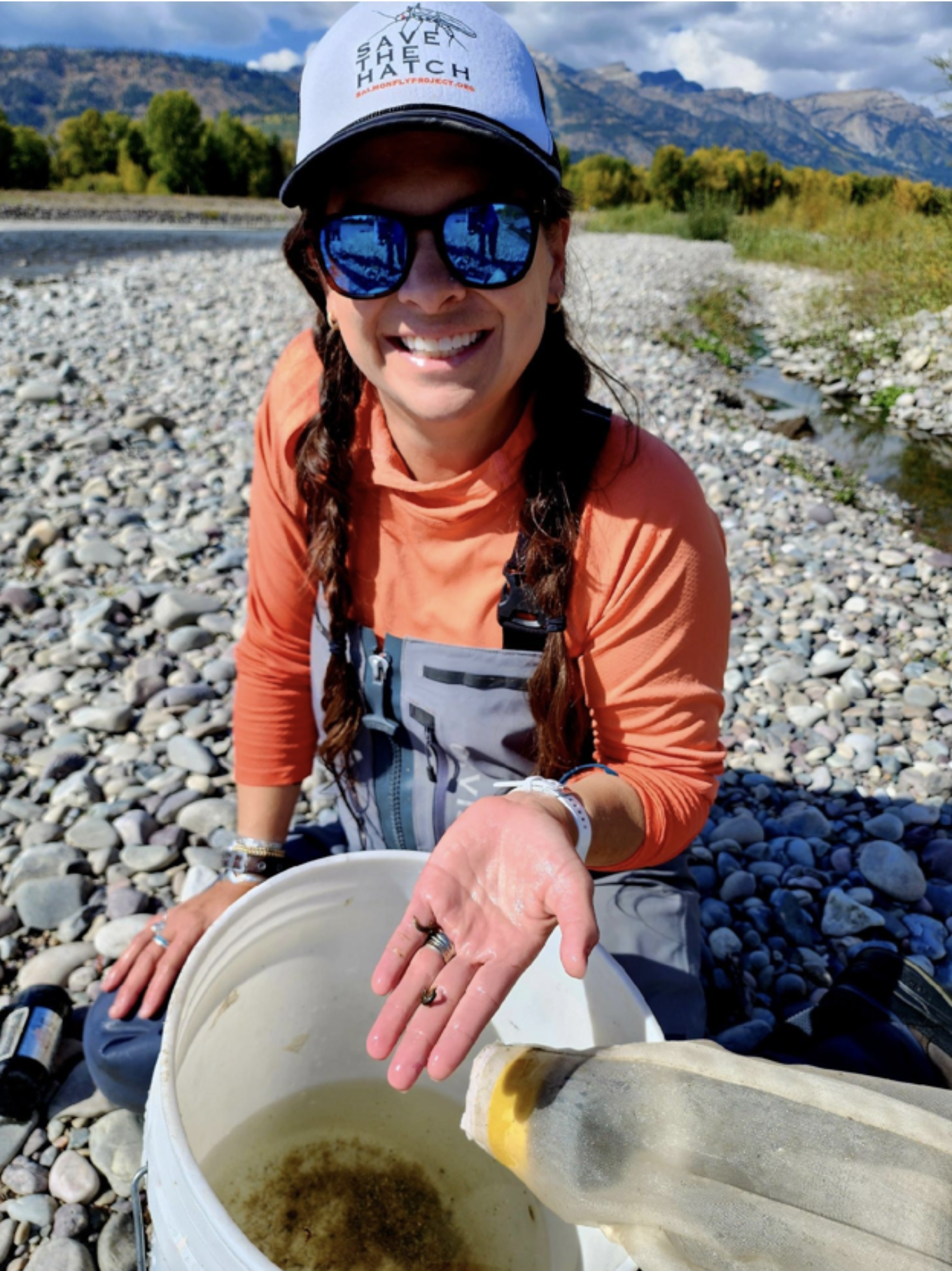
The Salmonfly Project isn't keeping the research behind laboratory doors. Local volunteers are invited directly into the process. No scientific background is required. Participants put on waders, enter the river alongside project staff, collect aquatic insects and learn how to identify what they find. The resulting samples contribute to a long-term dataset intended to track changes in the river's food web, water quality and hatches. In other words, some of the same people who spend their year watching the river for a hatch can help document whether that hatch is changing. That feels like an unusually natural form of citizen science.
Fly fishers already pay attention. They notice water temperature. They know when salmonflies usually arrive. They remember which riffle once held caddis. They can tell you when a river looks different from the year before. The Salmonfly Project is essentially asking what happens when that accumulated observation is organised. Its wider citizen-science program goes even further, encouraging anglers to photograph aquatic insects and upload observations with location and date information, as well as asking long-time anglers to share historical knowledge of the waters they know best. There is something valuable in that shift.
Conservation can sometimes feel like something that happens elsewhere: in reports, management meetings and scientific papers. Here it happens knee-deep in the same river you might otherwise have been fishing. And perhaps that is the more useful way of thinking about a fishing report. Not simply: What's hatching today? But: What's still hatching.. and why?
Learn more about this program at salmonflyproject.org