
The River Goes to the Opera
Fifty years after Norman Maclean’s novella, Opera Montana brings its story of family and fly fishing to the stage.
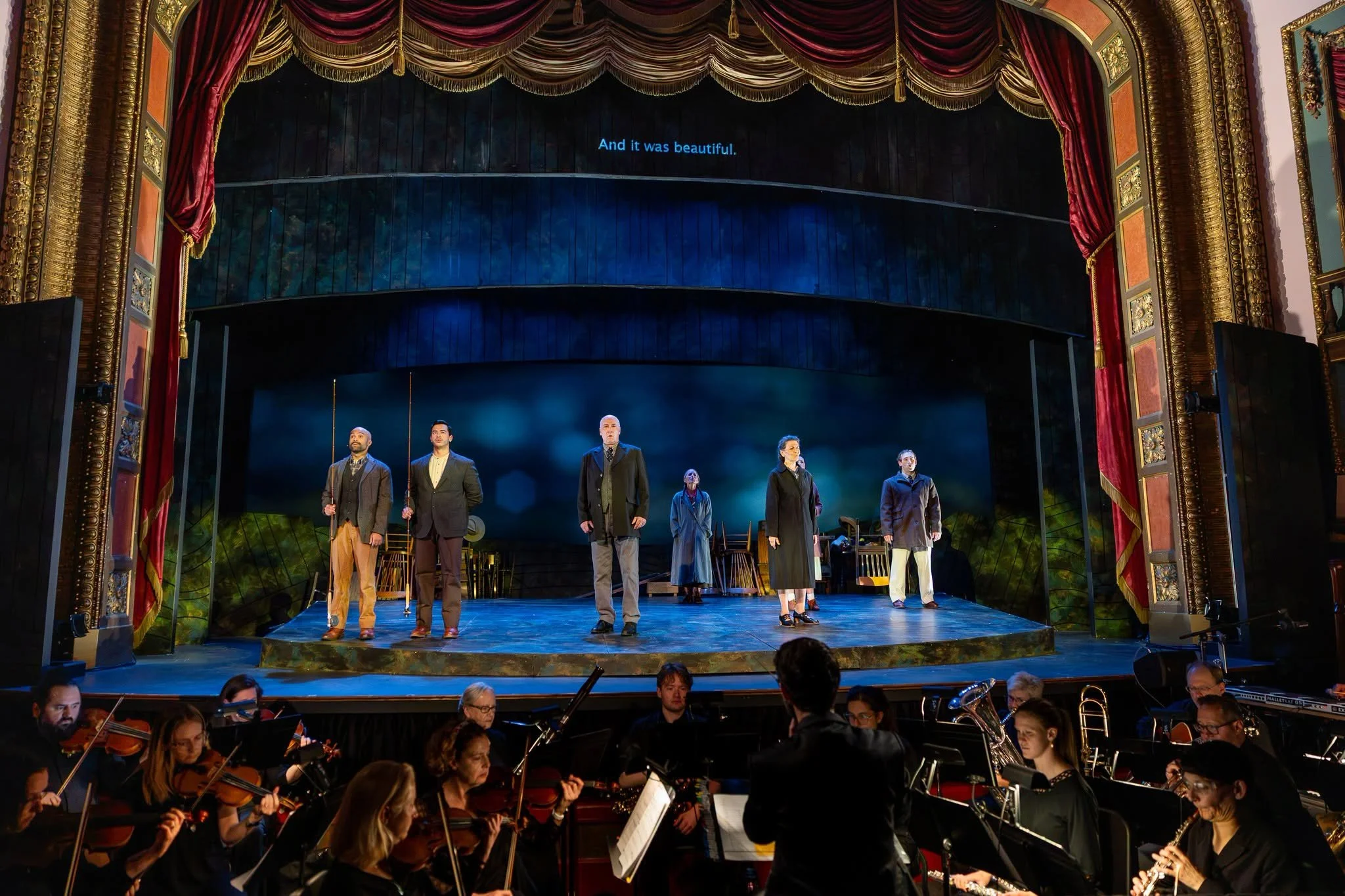
There are practical difficulties with bringing a river into a theatre. Water has to be suggested. Distance has to be compressed. A fly cast needs room, while a stage has edges. The things that feel effortless in a landscape become deliberate decisions under lights.
That makes Opera Montana’s adaptation of A River Runs Through It an unusually interesting meeting of disciplines. Norman Maclean’s story already carries a particular rhythm: the repetition of casting, the discipline of a Presbyterian household, the uneven closeness of two brothers. An opera offers another way to hear it.
The production premiered at Bozeman’s Ellen Theatre on September 18, marking fifty years since the novella’s publication. Composer Zach Redler worked with co-librettists Matt Foss and Kelley Rourke, with Foss also directing. Performances in Missoula followed in collaboration with the Missoula Symphony Orchestra. The geography matters. This is a Montana institution interpreting a story deeply rooted in its own landscape.
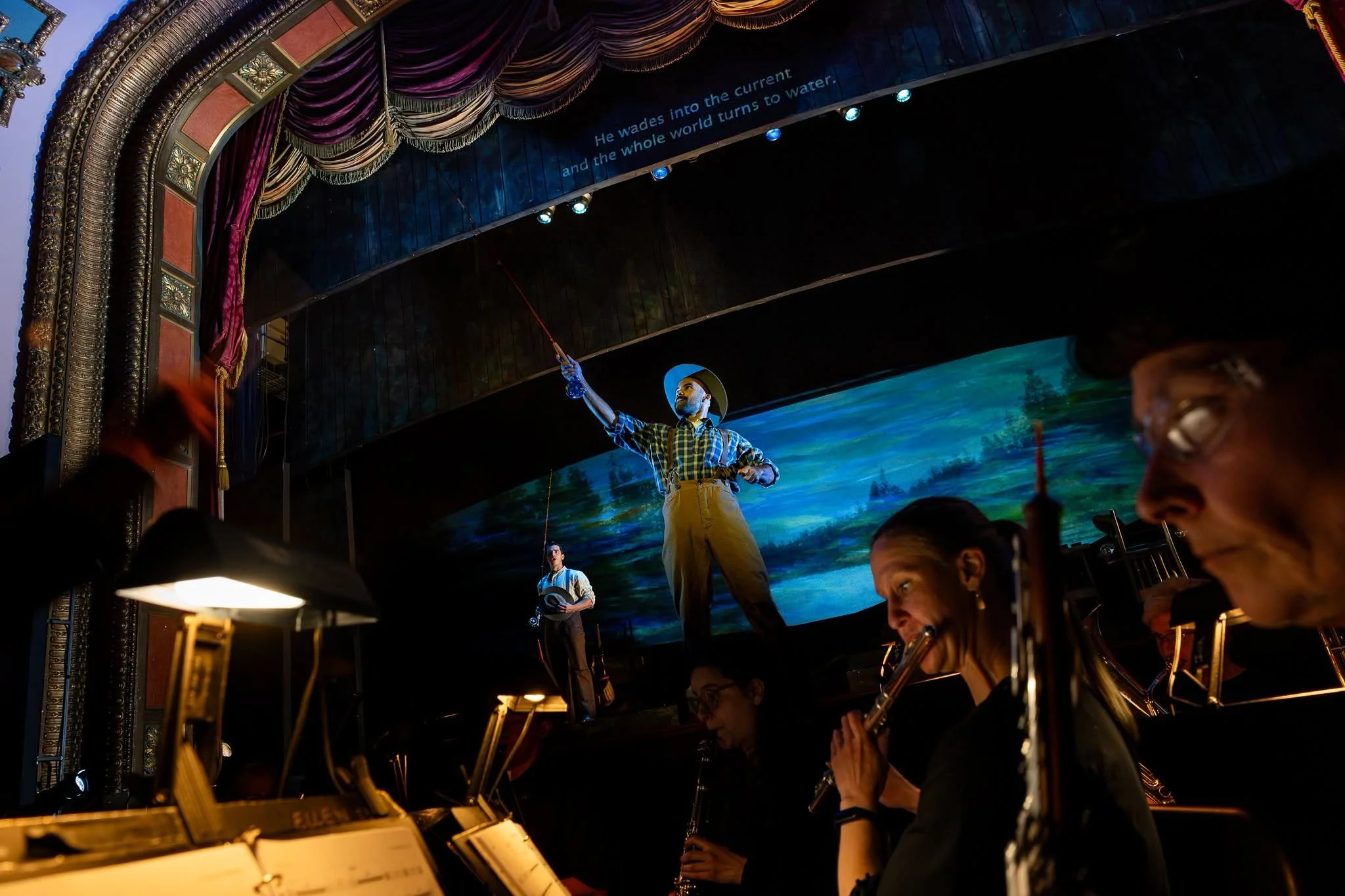
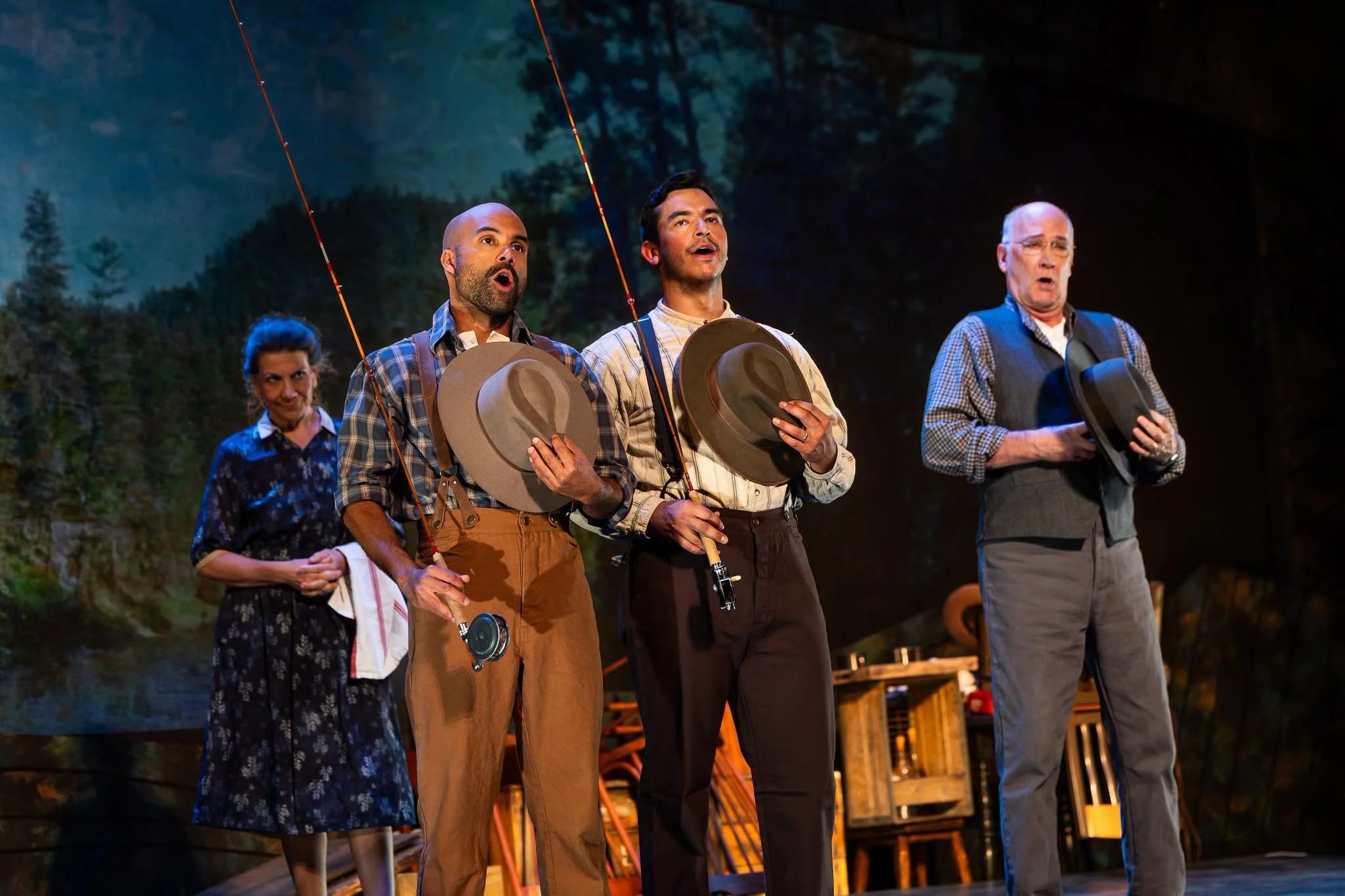
The challenge goes beyond scenery. Maclean’s writing moves between technical observation and things that resist explanation. Fishing provides a shared language for people who struggle to speak directly about love, trouble and responsibility. Onstage, that relationship has to become something an audience can experience through music, movement and the space between performers.
The casting itself proved a telling problem. As reported by The Washington Post, the production team ultimately chose bamboo rods without fishing lines. A gesture associated with precision on the water becomes an act of suggestion in the theatre. The audience has to complete the image.
For anyone interested in how creative work travels, that is the point worth following. Each medium asks different questions of the same material. A sentence can hold a memory. A camera can follow a line across water. A voice can sustain an emotion after the words have ended.
Fly fishing has a long relationship with literature and image-making. Opera extends that conversation into a space where breath, timing and collective performance carry the story. The river remains central, even when there is no water in the room.
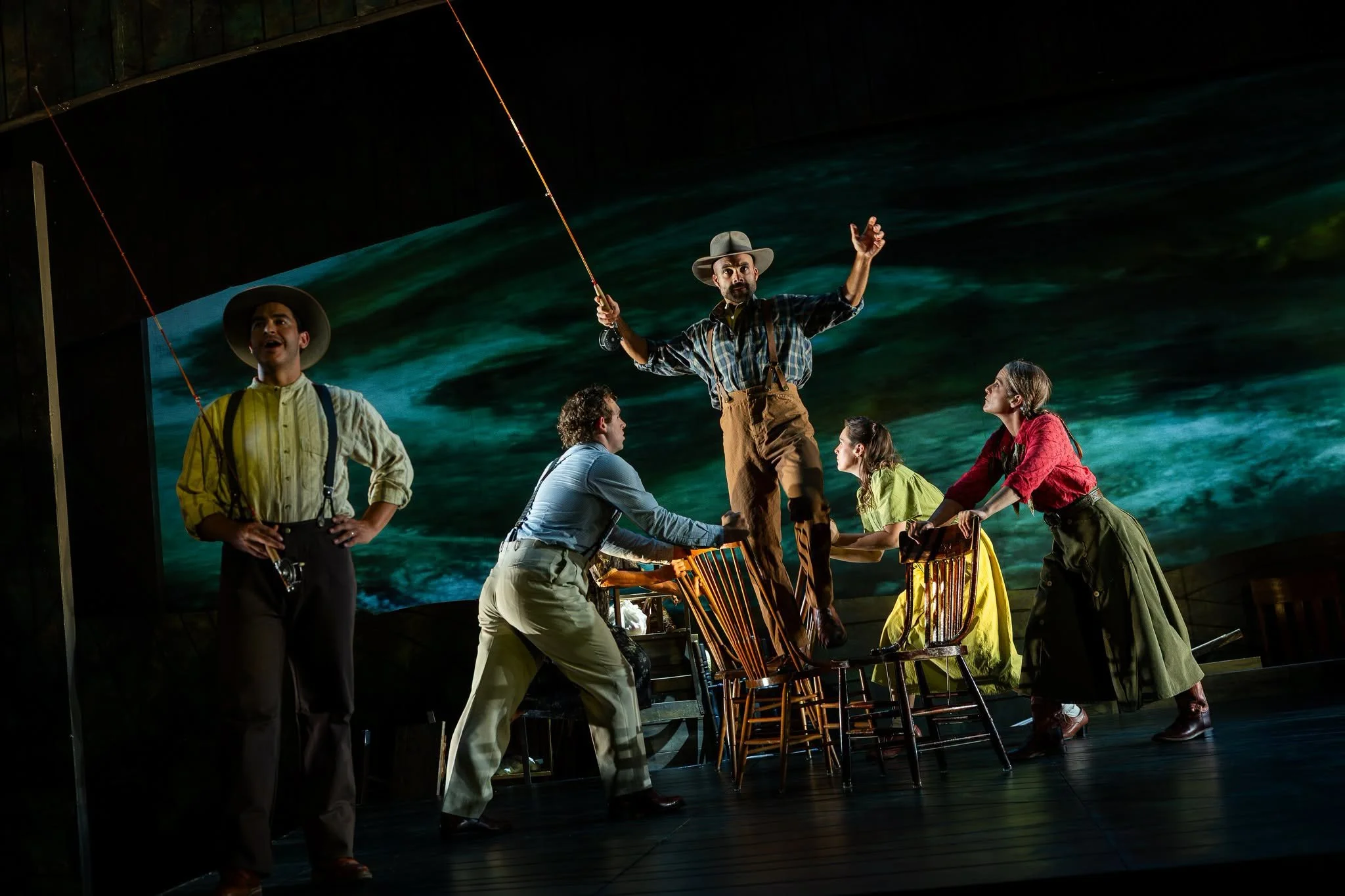
Fly fishing has a long relationship with literature and image-making. Opera extends that conversation into a space where breath, timing and collective performance carry the story. The river remains central, even when there is no water in the room.
Some things travel best when they are given another form.