
What the Designer Sees in the Water
For Setchu founder Satoshi Kuwata, fishing offers a way of noticing change, and another perspective on making clothes.
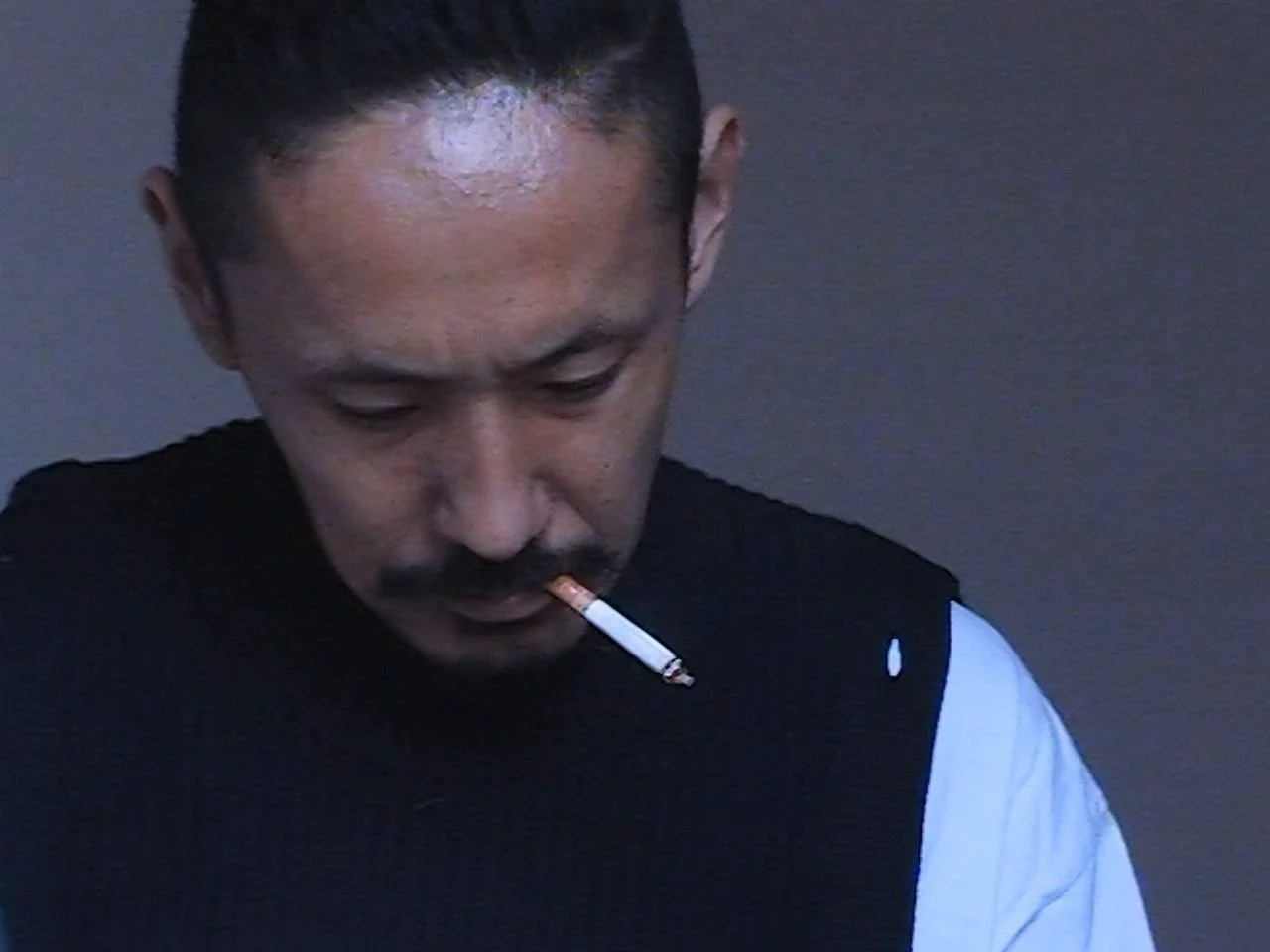
A garment and a river ask different things of the person looking at them. One has been cut, assembled and resolved. The other keeps changing. Put the two together and there is an interesting education in attention: what can be controlled, what needs to be understood, and when to respond.
Satoshi Kuwata has spent considerable time with both. The Japanese designer behind Setchu, winner of the 2023 LVMH Prize, is an avid angler. In an interview with Exhibition, he describes fishing as a return to the natural world of his childhood, and a way of staying sensitive to changes in the elements. Water can shift from one moment to the next. Being alert is part of participating.
His account gives fishing a place inside creative practice without reducing it to an aesthetic reference. There is more here than a useful pocket or a garment photographed beside a stream. Kuwata draws a relationship between observing nature and remaining responsive as a designer.
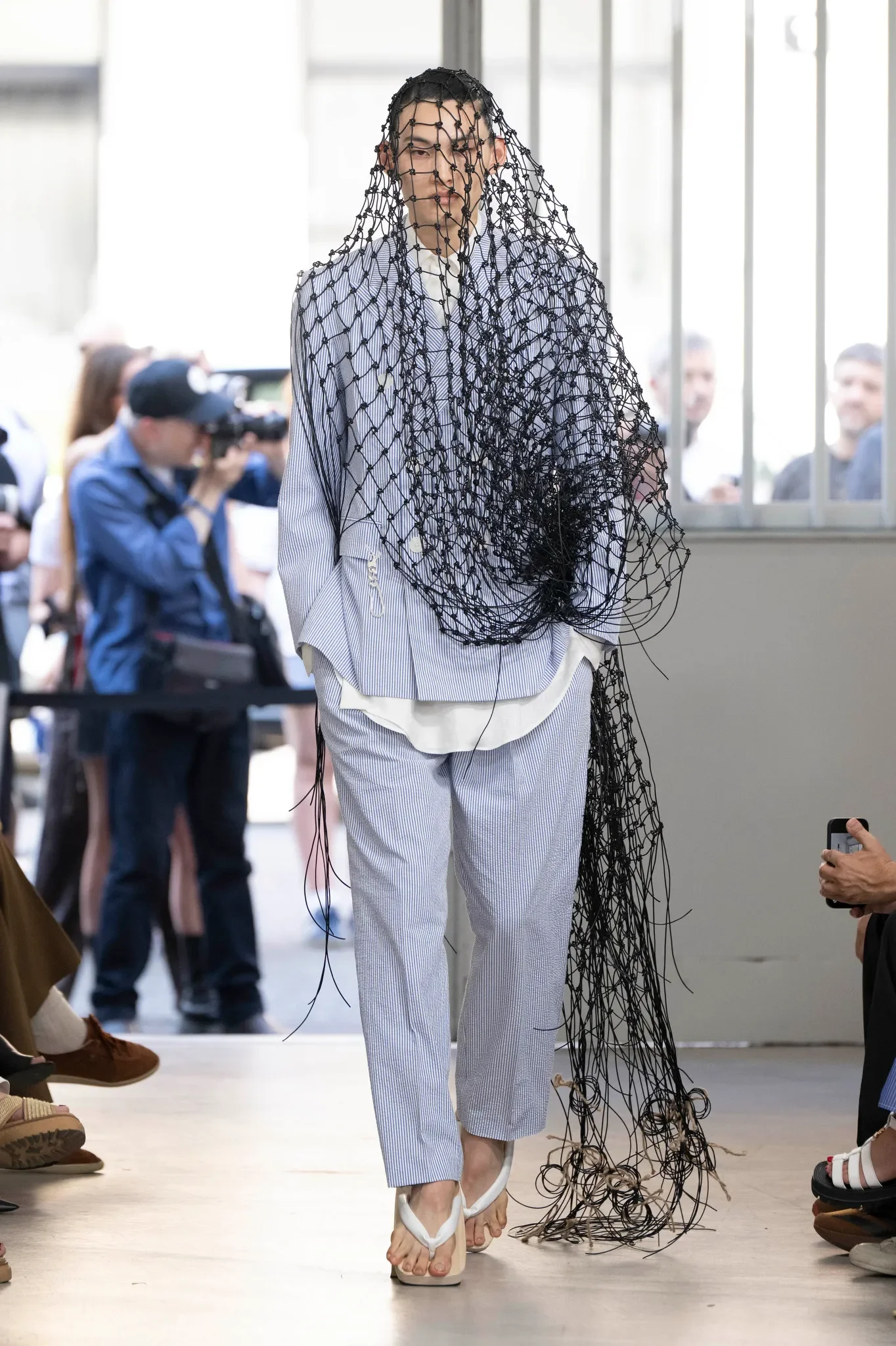
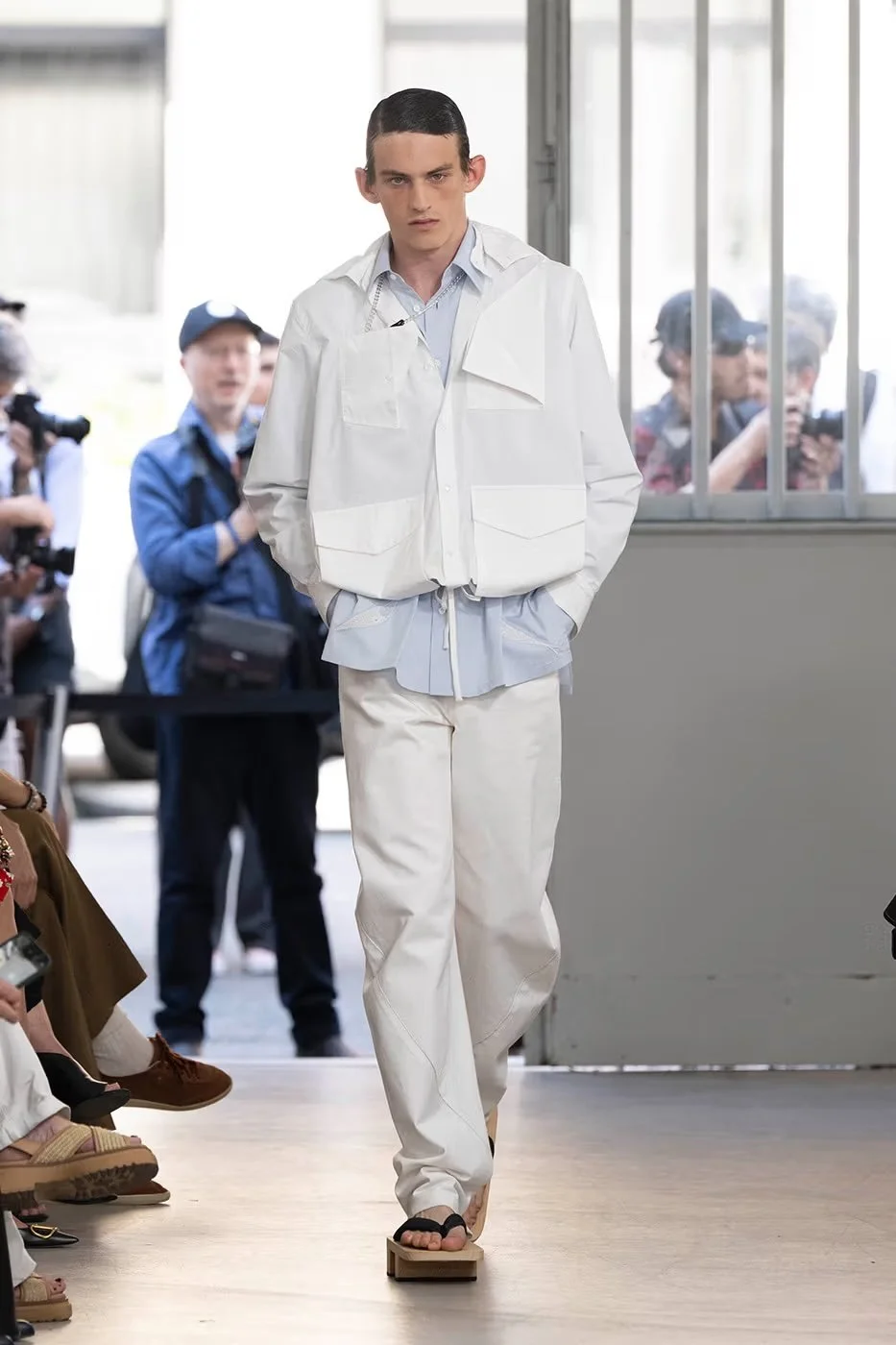
Setchu’s clothing provides another part of the picture. Its modular pieces and adaptable ways of wearing reflect an interest in how garments operate across daily life. Kuwata brings together Japanese and Western traditions, with experience that includes tailoring on Savile Row. The result gives construction, proportion and the possibility of transformation considerable attention.
The Financial Times has also described how fishing and travel inform his wish for clothes that pack well while remaining appropriate for different occasions. That is a very particular design problem. A wardrobe has to move with a person whose life does not stay inside one setting.
What makes this compelling is the intimacy of the connection. An activity pursued away from work can still influence the questions someone brings back to it. How much does an object need to do? How does it adapt? What remains useful when the conditions change? Those questions belong comfortably to both a wardrobe and a day outside.
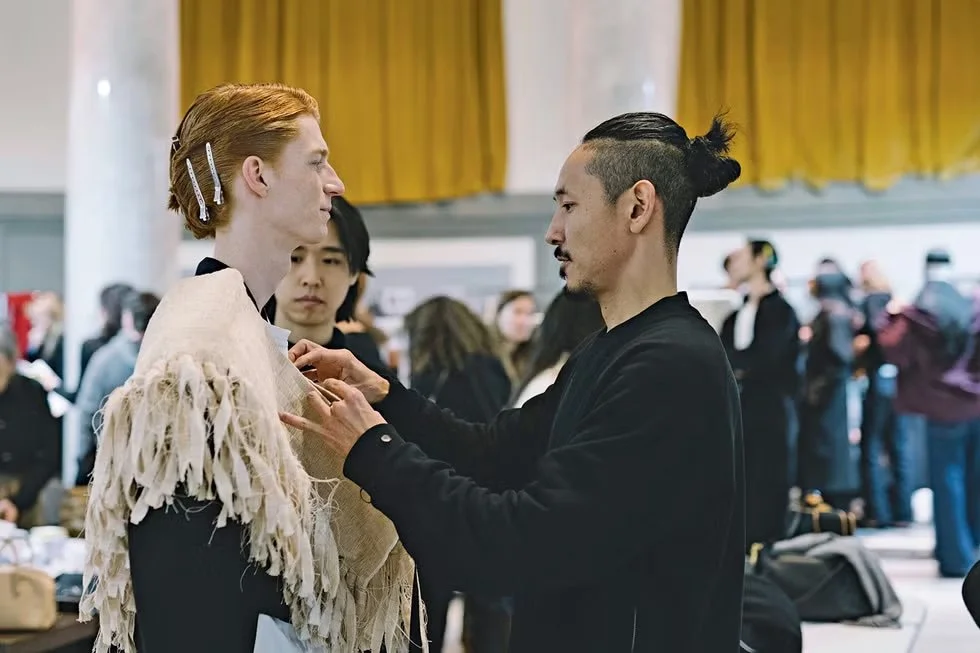
For Tales from the outdoors., Kuwata offers a richer subject than another account of fishing-inspired fashion. He is a maker whose relationship with water gives us a way into his thinking. The clothes become more interesting when the person behind them comes into focus.
Sometimes the most useful part of going fishing is what you learn to notice.