
The Spey Leaves the River
JOURNAL STANDARD changes the proportions of Barbour’s SPEY while keeping its fishing origins in view.
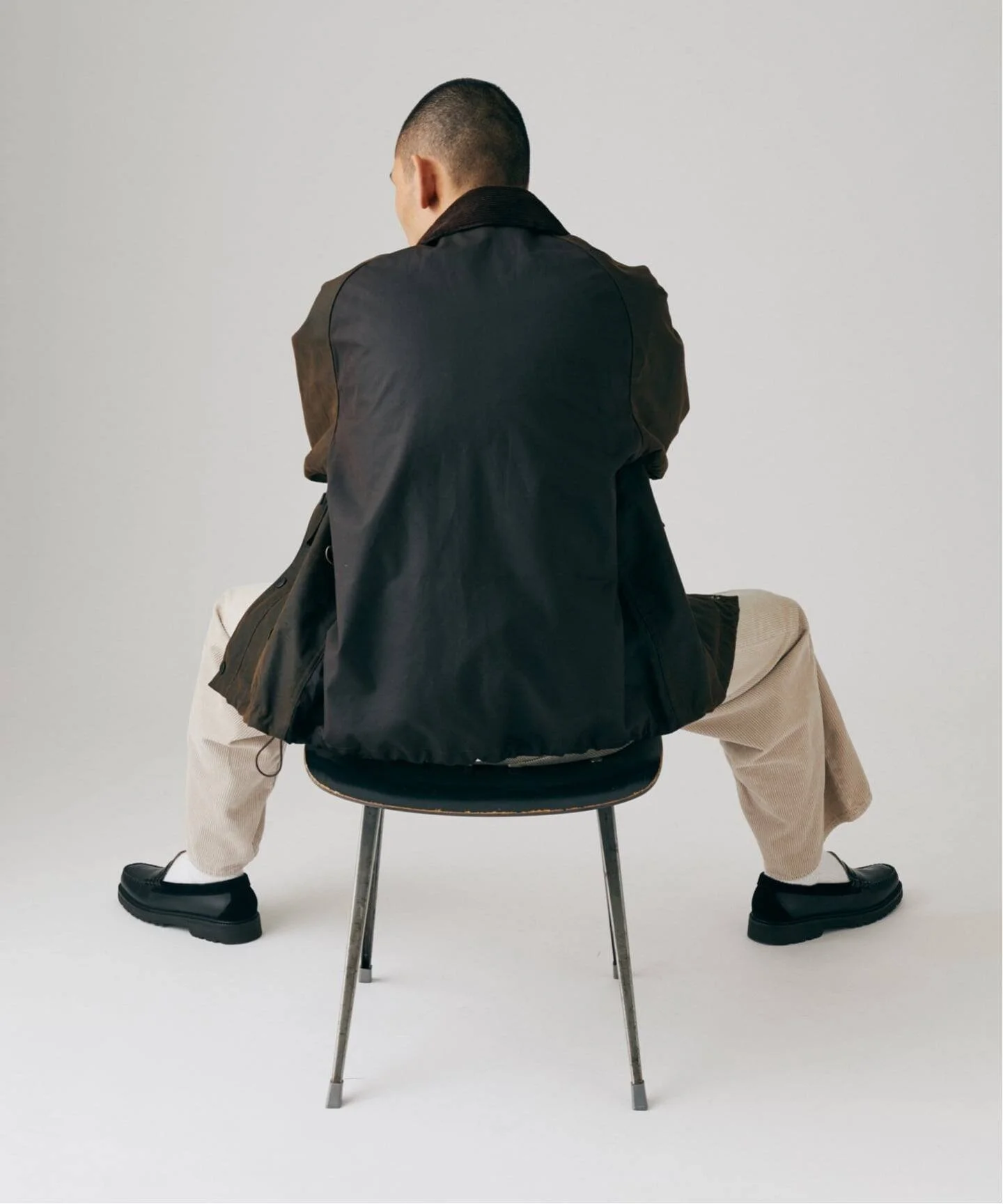
The back of a jacket can explain a collaboration better than its label. On JOURNAL STANDARD’s SPEY Combi, a tonal fabric change gives the rear of Barbour’s familiar fishing silhouette a different reading. It is a restrained intervention, intended to become apparent as the garment turns.
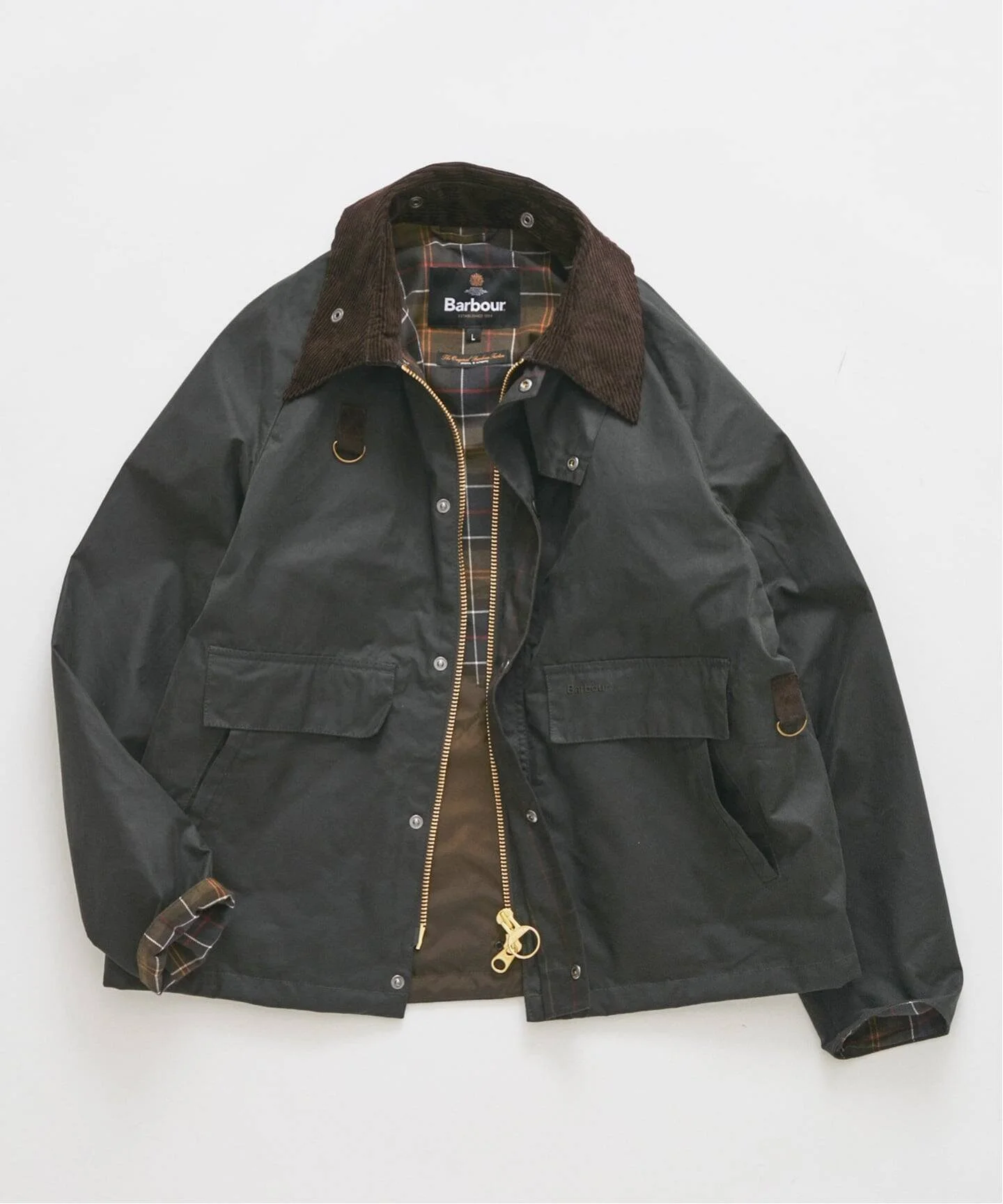
The autumn collaboration takes the SPEY’s fishing origins as its starting point. JOURNAL STANDARD extends the body and introduces an adjustable hem, shifting the balance towards everyday wear. The official listing was showing stock on October 19, following coverage earlier in the month.
There is a useful design exercise in those decisions. When a working garment enters another setting, which features still earn their place? Some retain a practical purpose. Others communicate the history of the form. The designer has to decide how much to keep recognisable and where a change will make the garment easier to live with.
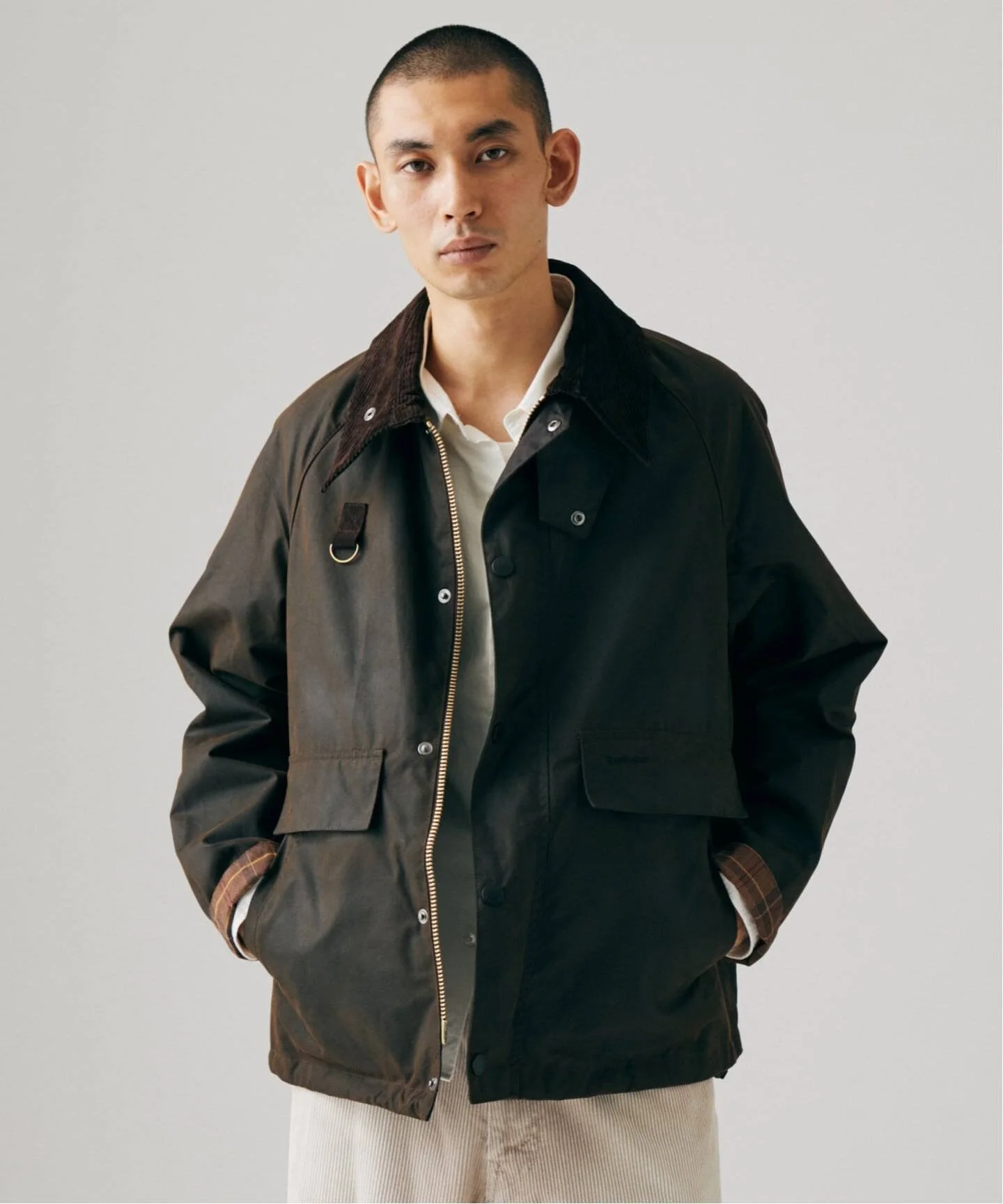
Proportion is particularly revealing because it affects the whole object. A little extra length changes where the hem meets the body and how the jacket sits with other clothes. Adjusting the hem changes that relationship again. These are quiet decisions, but they shape the experience more directly than a larger graphic would.
The tonal back panel offers another kind of adjustment. It introduces contrast without making the garment dependent on a sharp colour break. From an editorial perspective, it rewards a sequence of images: the front establishes familiarity, the rear reveals the change, and a detail shows how the two meet.
That is also a good way to read fishing’s wider influence on clothing. Look beyond the category name and examine what has actually moved. Is it an arrangement of pockets, a particular length, a protective shape or simply an association with life outdoors? Each suggests a different relationship to the original activity.
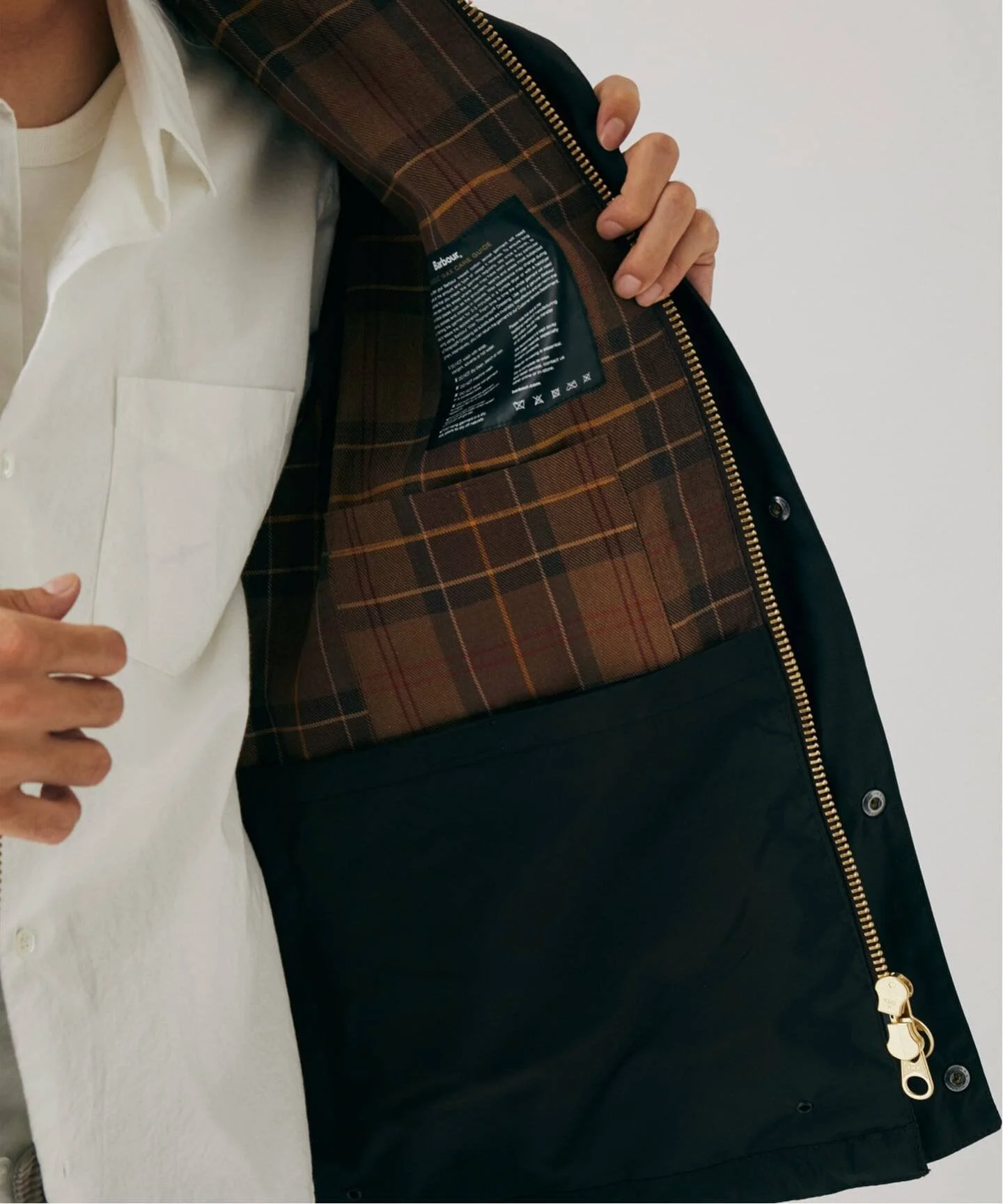
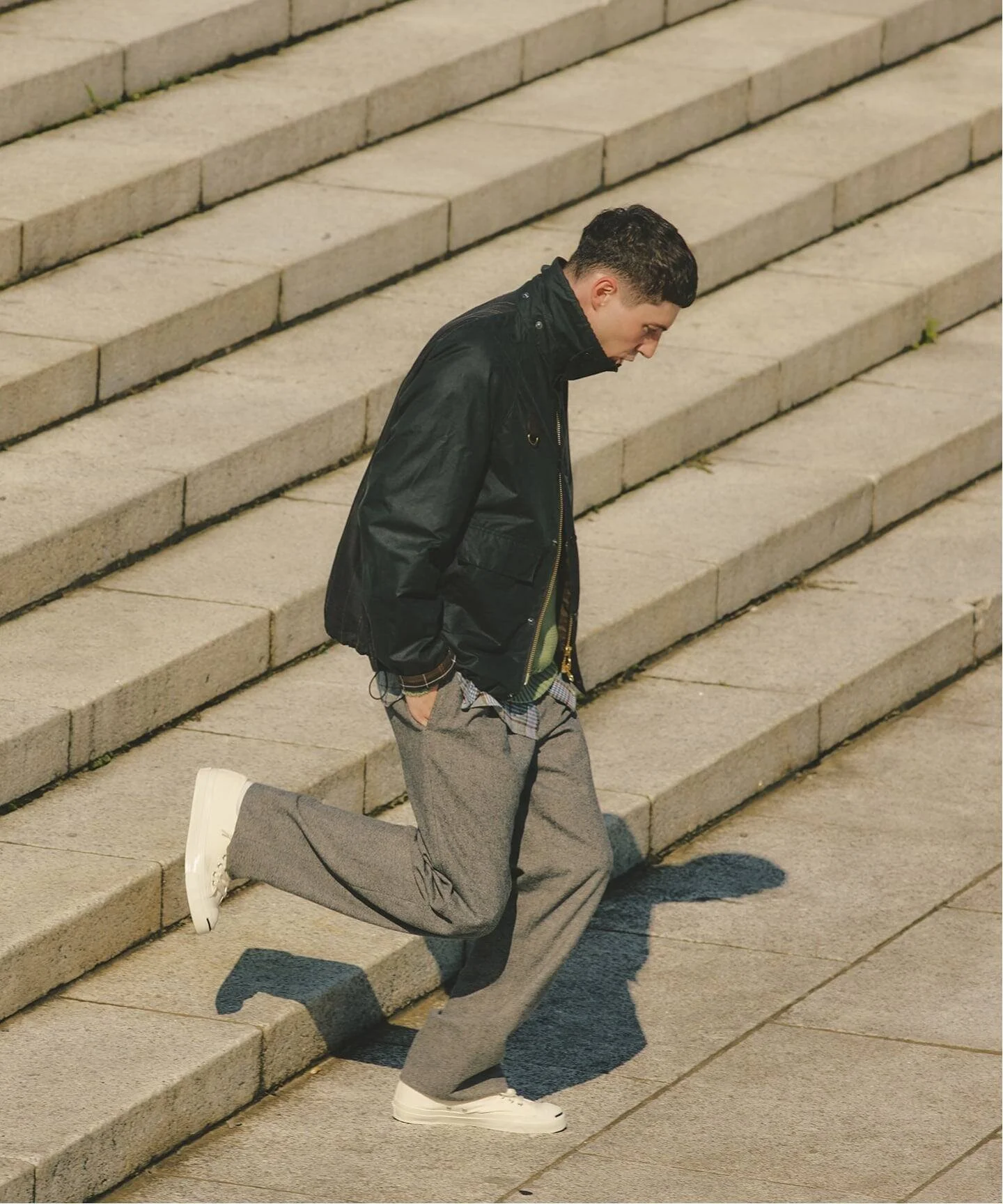
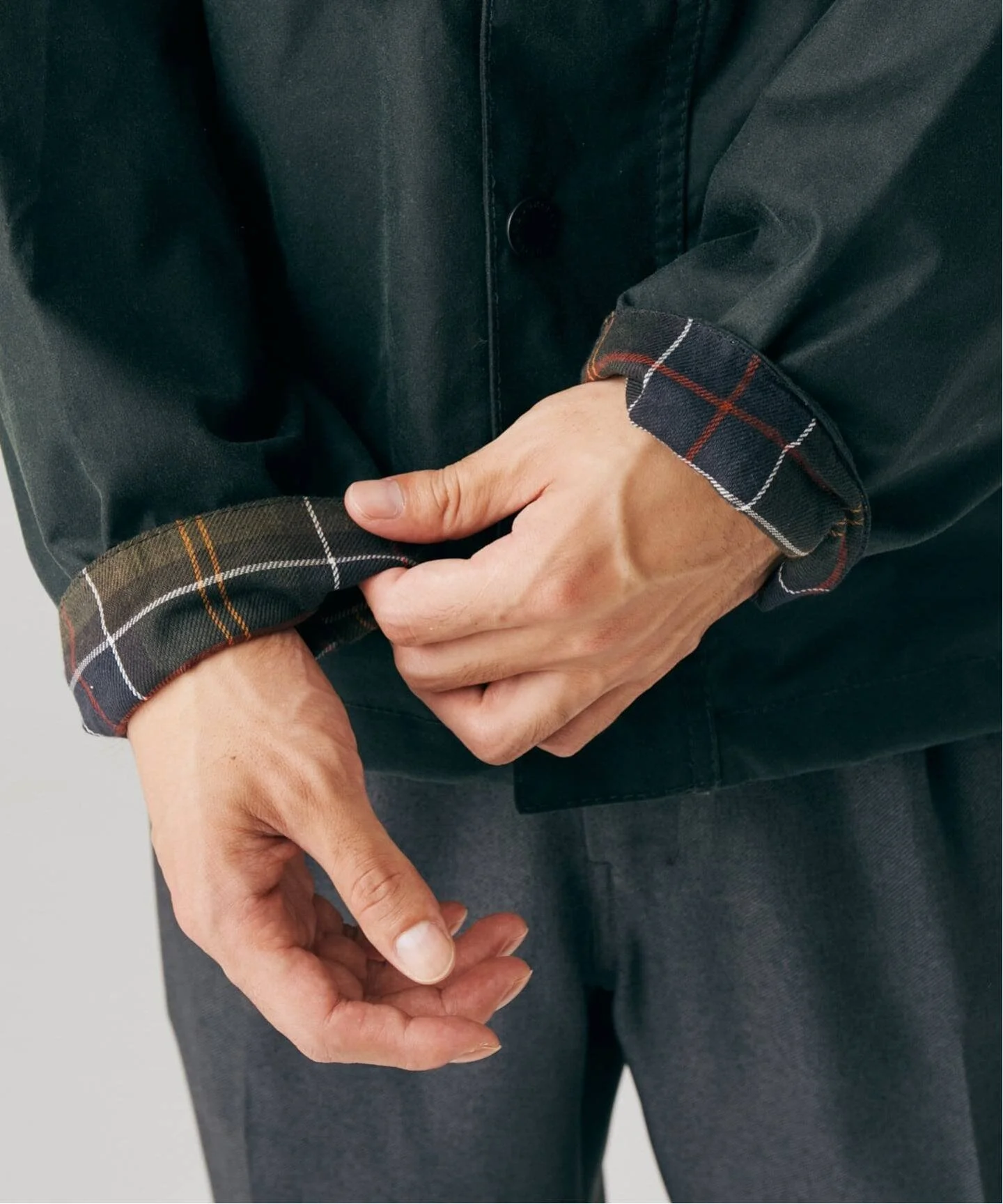
Here, the story is strongest at the level of the garment. There is no need to imagine a new fishing technique or an entirely new wardrobe. An existing form has been reconsidered for another rhythm of use, with its origin still available to anyone interested enough to look.
The SPEY Combi is worth noticing for that measured approach. Its connection to the river gives the silhouette context; its altered proportions give it somewhere else to go. The design conversation becomes visible in a turn of the body, from the familiar front to the quieter surprise behind.