
The Journey Continues at the Table
At Deplar Farm in northern Iceland, fishing sits within a wider experience of landscape, food and hospitality.
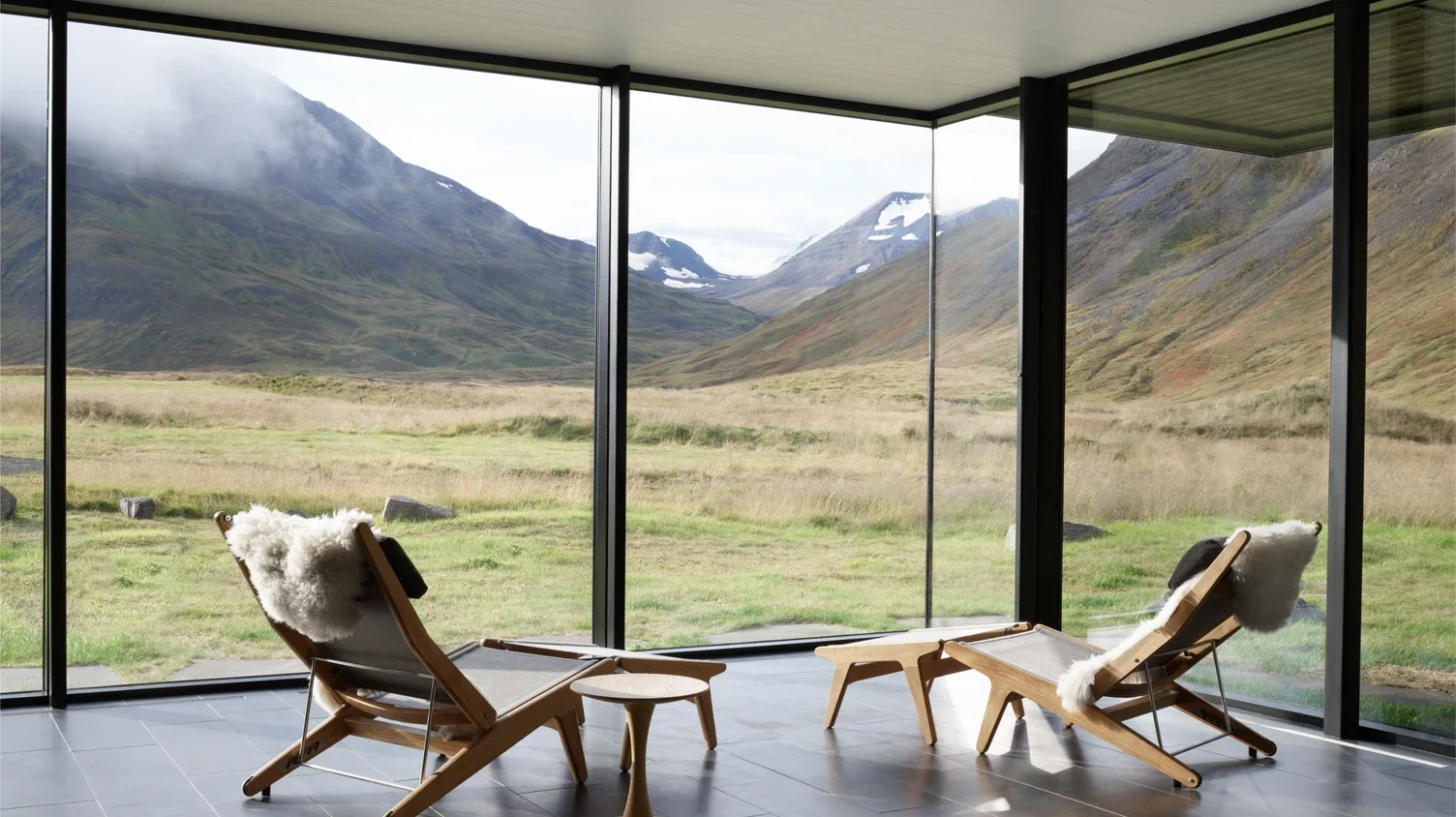
A fishing trip is usually described through the hours spent on the water. The rest of the day can receive surprisingly little attention: where breakfast happens, what is waiting on the table in the evening, how a room frames the landscape after the equipment has been put away.
Those details help determine how a place is remembered. At Deplar Farm, on Iceland’s Troll Peninsula, they form part of a broader hospitality proposition. Eleven’s angling brochure describes access to rivers and lakes alongside locally sourced cuisine and carefully designed accommodation. Fishing is one way of encountering the region, with the lodge providing other points of contact.
The fishing program described in that brochure includes Atlantic salmon, sea-run brown trout, resident brown trout and Arctic char. Michelin’s account of the lodge, meanwhile, emphasizes its treatment of the former sheep farm and meals that highlight local culinary traditions. Water, buildings and food give the visitor different ways to understand the same setting.
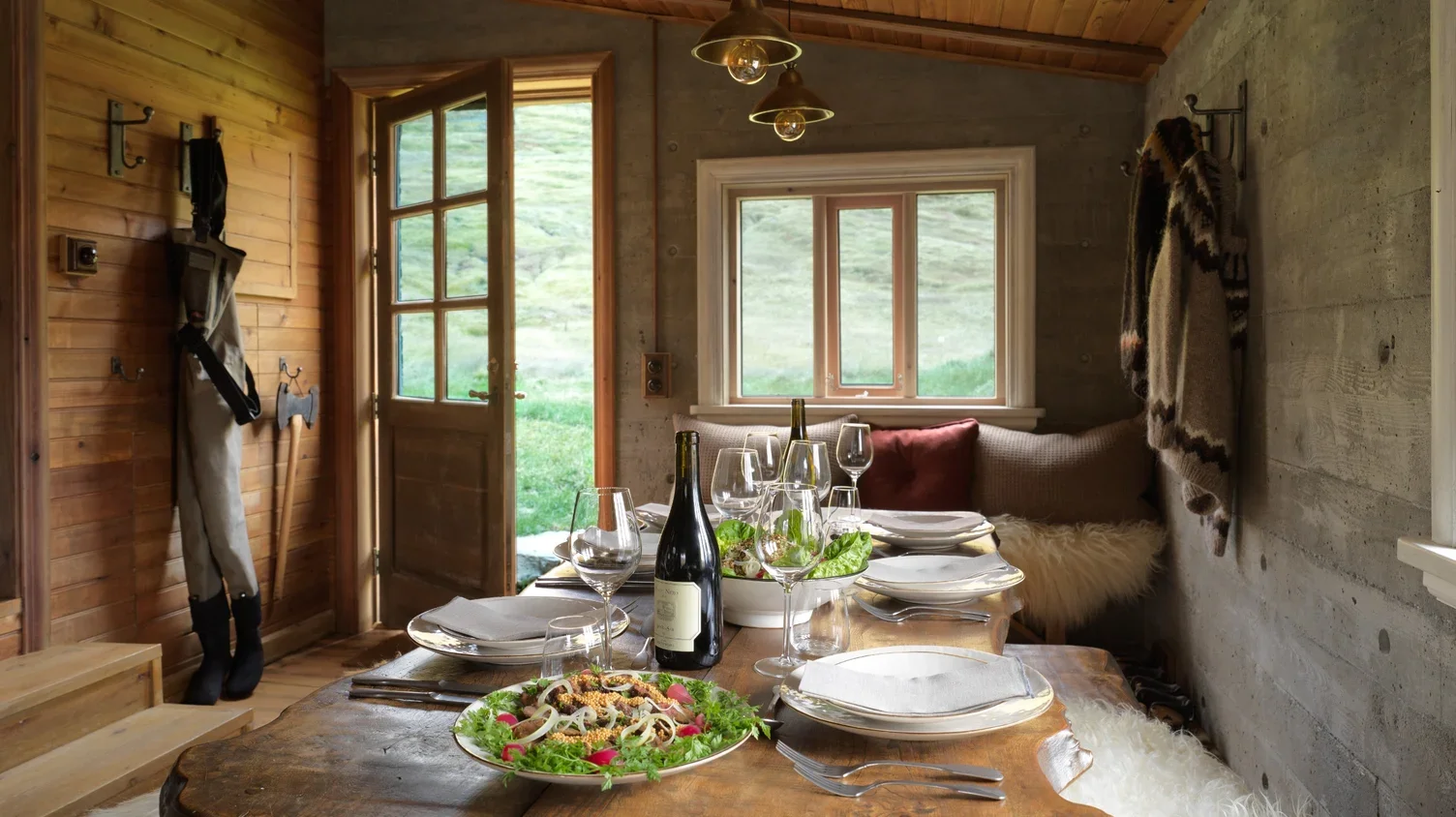
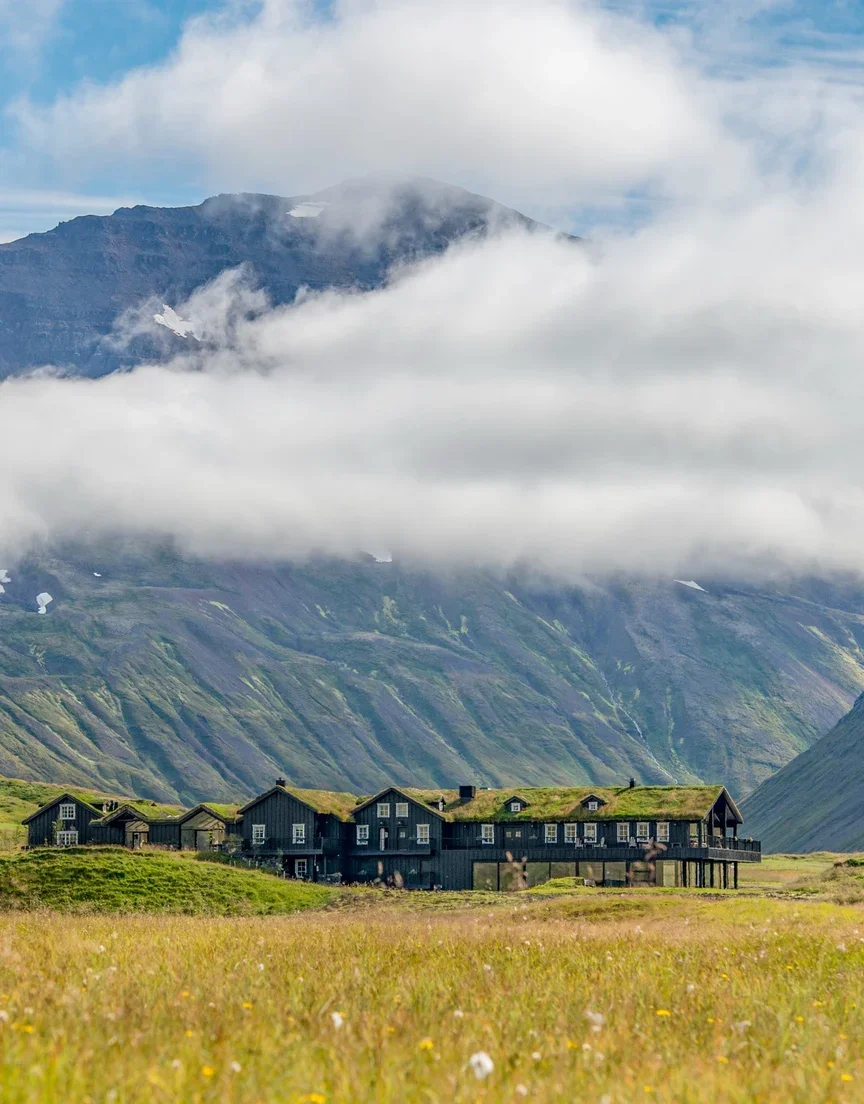
The interesting editorial question is how closely those experiences connect. A menu can introduce a landscape through ingredients. A building can make its weather and light feel present indoors. A day fishing can give scale and texture to the country beyond the windows. Together, they offer more than a destination photographed from one flattering angle.
This is where travel coverage can become more observant. The details worth following are often small: a material that makes sense in the climate, a meal with a clear regional identity, a space that allows the day outside to continue into conversation. They reveal how hospitality interprets a place for the people passing through it.
Deplar is an established destination rather than a new opening. It is useful to revisit because it brings fishing into a wider frame without requiring the river to explain everything. The culinary and architectural experiences deserve attention in their own right, while their proximity to the water gives the story another dimension.
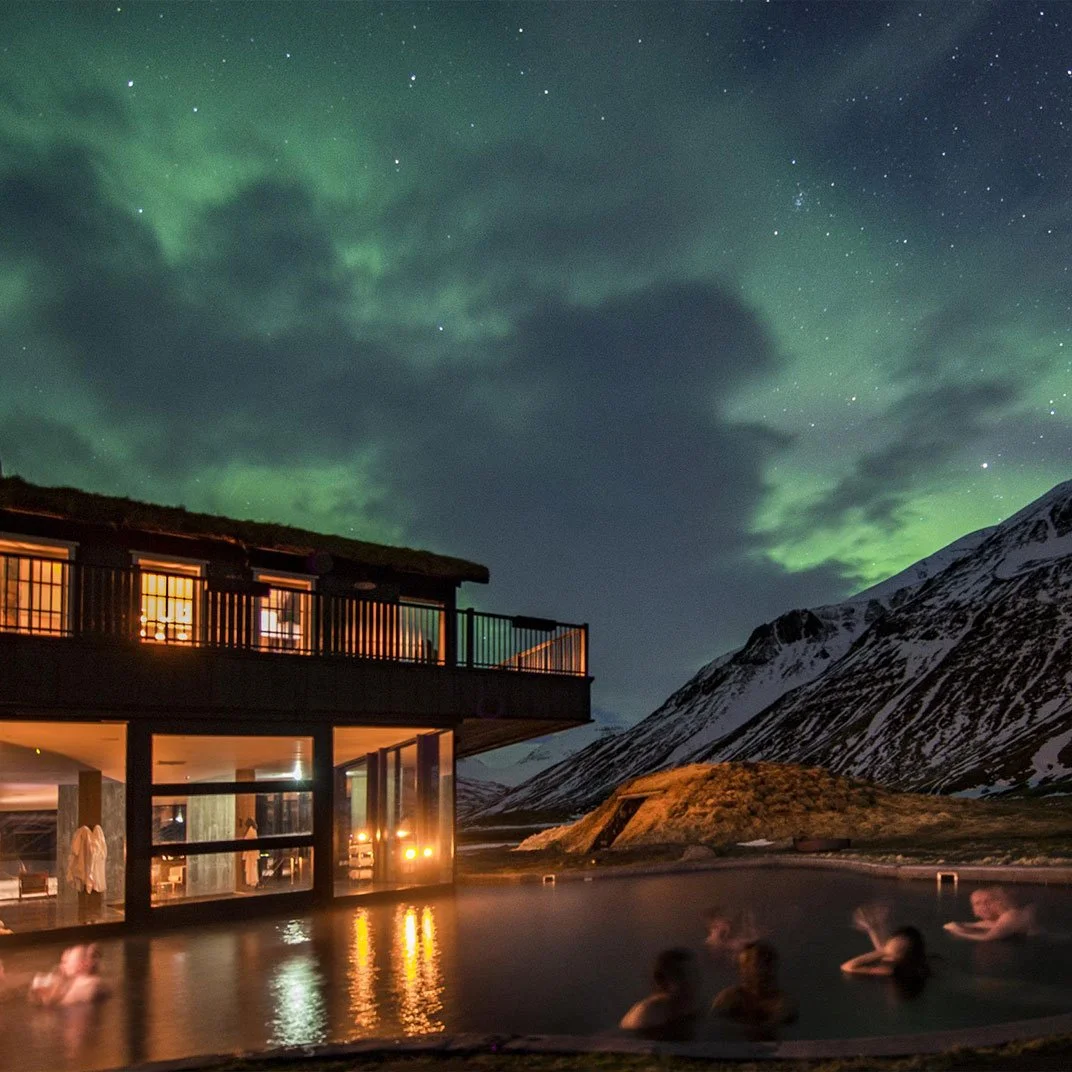
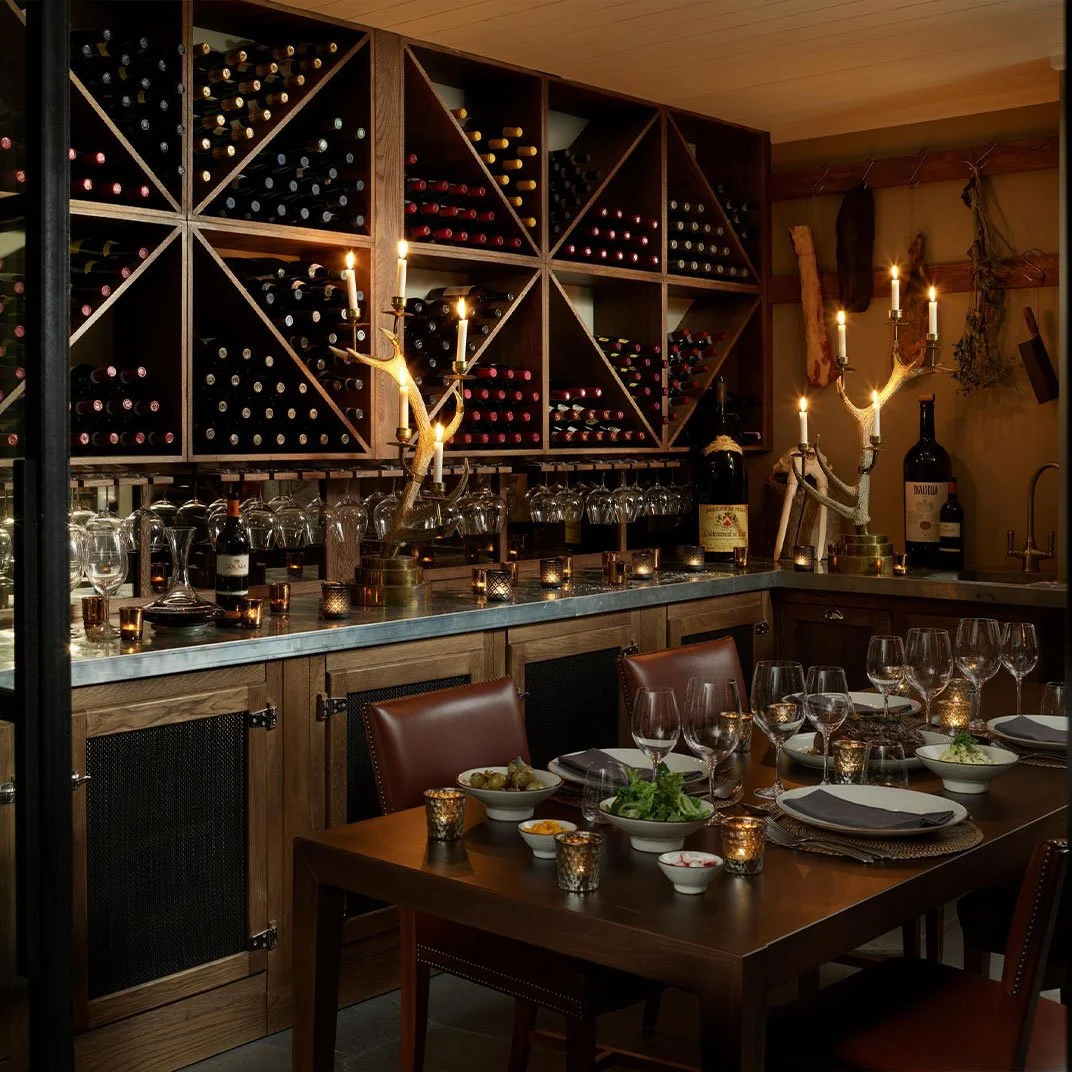
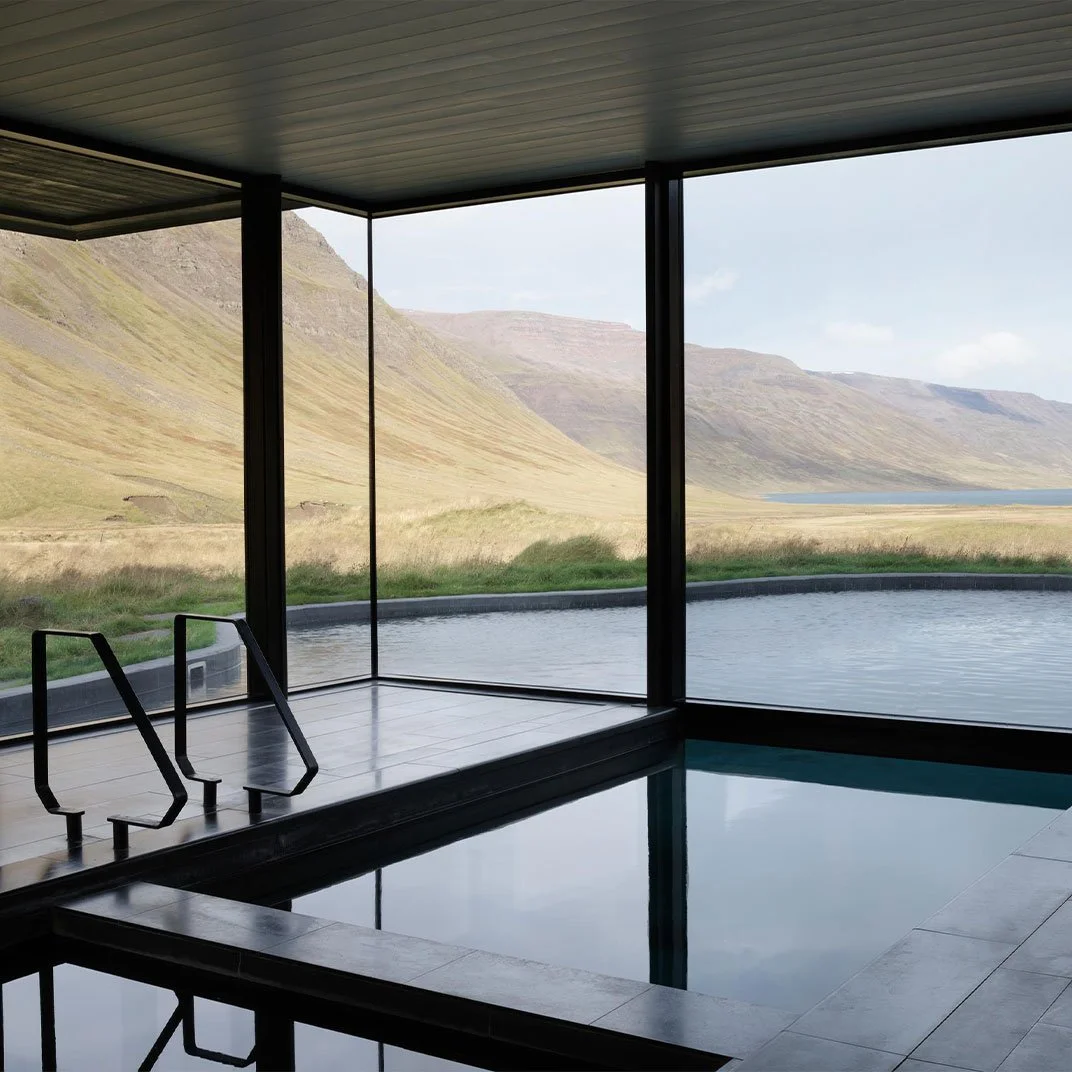
A fuller portrait of a fishing destination follows the whole day. It asks what people encounter, who shapes the experience, and what stays with them when they leave.
Sometimes the story of the river continues long after the waders have come off.