
A Century in Motion
Joan Wulff’s hundredth birthday brings a lifetime of casting, teaching and participation into focus.
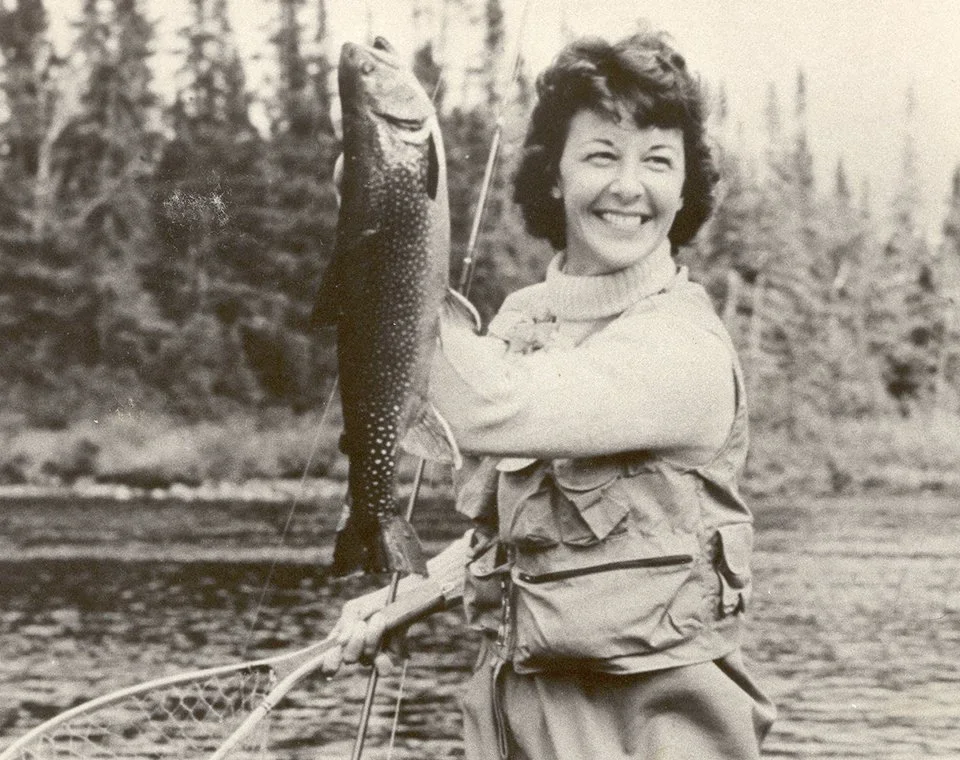
A fly cast leaves very little behind. The line unrolls, the fly lands, and the movement is already over. Yet a good teacher can give that brief sequence a lasting form, making it understandable enough for someone else to repeat.
Joan Wulff turned one hundred on October 18. The anniversary offers a reason to look closely at that work: a lifetime in which exceptional casting became knowledge that could be shared. Her achievement belongs to the history of the sport, but it also invites a wider conversation about craft and how expertise is passed on.
The American Museum of Fly Fishing records her 1951 victory in the National Fisherman’s Distance Fly Championship against an otherwise male field. Decades later, the school she founded with Lee Wulff in 1979 gave instruction a lasting home. Competition and education ask different things of a person. One demonstrates what is possible; the other helps someone begin.
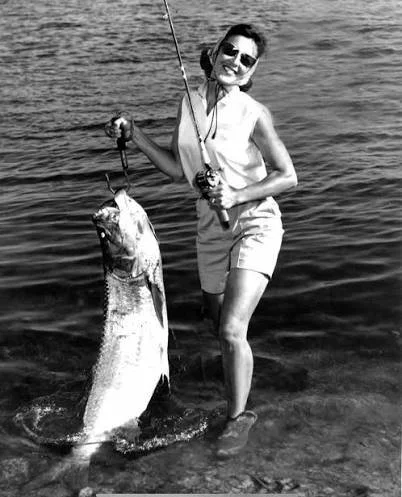
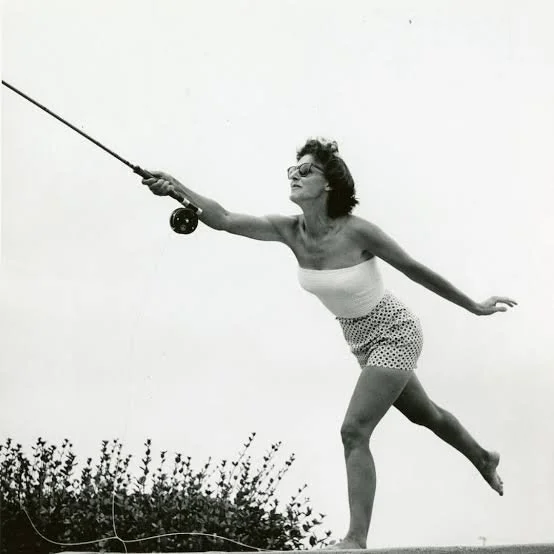
That second task can be easy to overlook. To teach a movement, you have to notice its component parts, find language for them and recognise where another person loses the thread. Skill must become legible. The lesson works when the learner can take something away and use it independently.
There is a design question here, too. Who is an activity built around? The museum documents Wulff’s advocacy for clothing and equipment better suited to women, including a vest design eventually produced in 1995. Participation depends partly on practical things: fit, comfort and whether the equipment assumes a particular kind of body.
Those details belong alongside the championship record. A sport becomes more open through the people visible within it, but also through the everyday conditions that make taking part possible. Being able to imagine yourself there is a beginning. Having useful instruction and suitable equipment helps turn the possibility into a habit.
The centenary is therefore an occasion to consider the teachers in our own fishing lives. Someone corrected a movement without making us feel foolish, explained a knot patiently or made space beside them on the bank. Their influence often continues long after we stop needing the explanation.
Wulff’s legacy gives that ordinary generosity an extraordinary scale. The cast lasts a moment. What someone learns from watching, practising and being welcomed into the activity can stay with them for years.